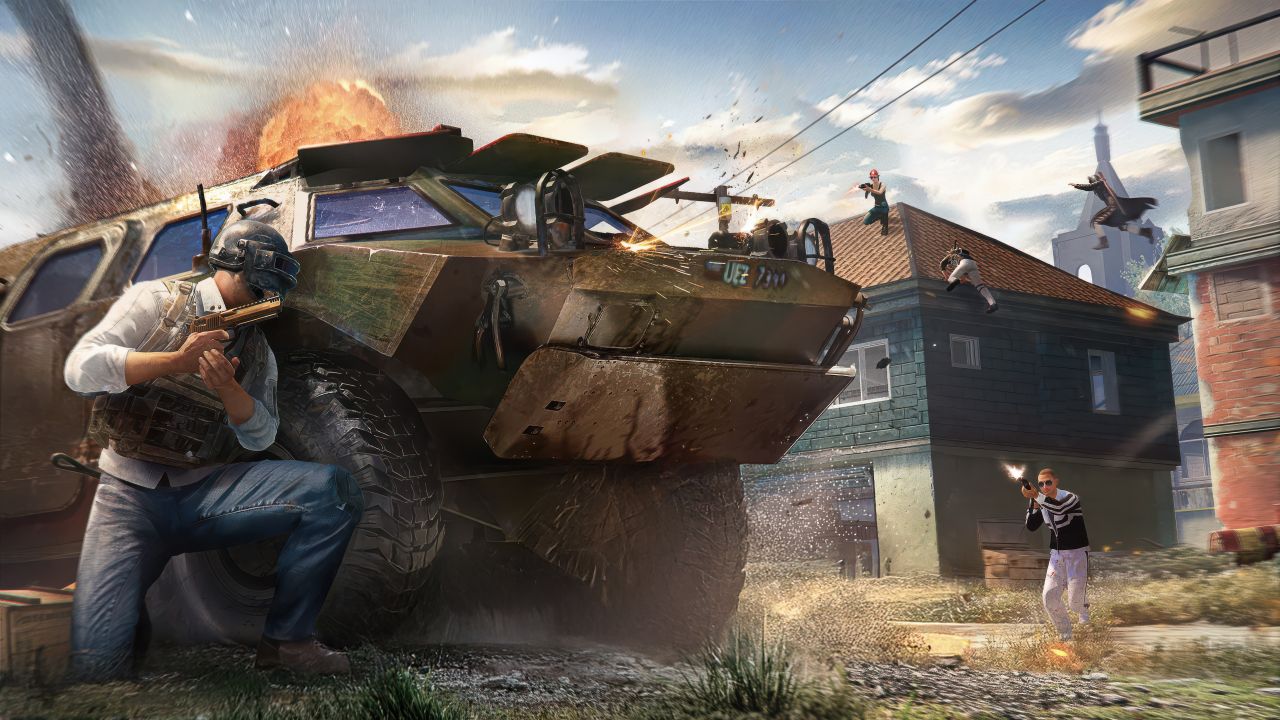
When PlayerUnknown's Battlegrounds (PUBG) first expanded beyond its South Korean roots, the team at Tencent didn't just slap on subtitles—they dove deep into cultural tweaks for markets like India and the Middle East. They adjusted server infrastructure for local preferences, reworked marketing to highlight community events that resonated regionally, and even fine-tuned in-game events to avoid clashing with cultural holidays. The result? A surge in global downloads and, crucially, player stickiness that turned casual tryouts into loyal fans. Stories like this aren't anomalies; they're proof that thoughtful localization can transform a game's fate abroad, especially when retention rates often plummet after the initial hype.
Think about it: in a crowded app store, what keeps players coming back isn't just flashy graphics or addictive loops—it's feeling like the game was built with them in mind. Data from industry analyses backs this up. One case study from a mobile RPG showed that after comprehensive localization into multiple languages, Day 30 retention jumped by 38%, with regional downloads climbing 22%. That's not pocket change; it's the difference between a flash-in-the-pan hit and a steady revenue stream. Yet, many developers stumble here, leading to complaints about clunky translations or outright bans in certain regions. Let's unpack how depth in localization addresses these pitfalls and drives real engagement.
One common headache is translations that feel robotic, leaving players griping about that unmistakable "machine translation" vibe. It's not just awkward phrasing; it breaks immersion. Take the feedback loops in online forums—players in non-English markets often abandon games where dialogue sounds stilted or jokes fall flat. A survey of gamers revealed that 60% say localization quality directly impacts their enjoyment, with many citing unnatural phrasing as a top turnoff. To counter this, developers are turning to hybrid approaches: blending AI for speed with human oversight for nuance. In one instance, AI-assisted personalization in games boosted retention by up to 30%, by ensuring dialogues adapted dynamically to cultural contexts without losing the original spark. The insight here? Don't skimp on post-editing; it's where the magic happens, turning generic lines into something that feels alive.
Then there's the minefield of cultural taboos. Ignoring these can lead to disasters, like games getting pulled from shelves or app stores. Remember Battlefield 4? It got banned in China for what officials called a "cultural invasion," portraying the country in a negative light. Or the Pokémon franchise's brush with controversy over Jynx, whose design drew accusations of racial stereotypes, prompting redesigns and episode edits for international releases. These aren't rare; they've happened with titles from Grand Theft Auto to Command & Conquer, often due to overlooked symbols or narratives that clash with local values. A smart fix is a game outsea cultural adaptation checklist: start by auditing visuals for sensitive icons (like religious symbols or historical references), review humor for universality, and test narratives against regional norms. Include checks for color meanings—red might signal luck in China but danger elsewhere—and even gameplay mechanics, like avoiding gambling elements in conservative markets. This proactive list isn't just defensive; it opens doors, as seen with FIFA's multilingual commentary, which helped sell over 325 million copies by making matches feel locally authentic.
UI glitches add another layer of frustration, where text overflows frames or layouts break, making controls feel alien. In mobile games, where screens are tiny, this is amplified—German translations can expand text by 30%, causing buttons to misalign or menus to clip. Best practices for mobile game UI/UX localization emphasize flexibility: design scalable text fields that auto-adjust, support right-to-left languages like Arabic, and use icons over words where possible to minimize expansion issues. Test on real devices early, not just emulators, to catch how fonts render in different scripts. One fresh angle? Incorporate user feedback loops during beta tests in target regions—it's revealed hidden issues, like date formats confusing players (MM/DD vs. DD/MM), leading to smoother experiences and higher retention.
For indie devs watching pennies, this might sound daunting, but an indie game localization budget guide can keep costs grounded. Prioritize high-impact languages like Spanish or Mandarin, which cover massive player bases, and start localization early in development to avoid retrofits. Tools like glossaries cut repetition—aim for under $0.10 per word by bundling languages and using fan communities for initial feedback. In RPGs, where lore is king, roles-playing game (RPG) terminology library management shines: build a shared database of terms like "mana" or "quest" with context notes, ensuring consistency across updates. This not only saves time but prevents lore breaks that alienate fans, as inconsistent magic systems have tanked reviews in localized versions.
The payoff is clear—localized games see engagement spikes, with one report noting a 340% retention boost from tailored content. But it's not just numbers; it's about crafting experiences that stick. Take Candy Crush's approach: King's global localization manager stressed measuring satisfaction over pure ROI, tracking how localized events keep players hooked longer. New insights from recent studies suggest blending culturalization—deep adaptation beyond words—with data analytics: monitor drop-off points in localized builds to refine iteratively, turning potential churn into loyalty.
If you're gearing up for this, partnering with experts makes sense. Firms like Artlangs Translation stand out, with mastery over 230+ languages and a track record of standout cases in game localization, video subtitling, and multilingual dubbing for audiobooks and short dramas. Their 20+ years in language services, backed by 20,000+ certified translators in long-term collaborations, ensure projects hit cultural sweet spots without the headaches. They've specialized in everything from translation to data annotation, helping games not just launch overseas but thrive there.