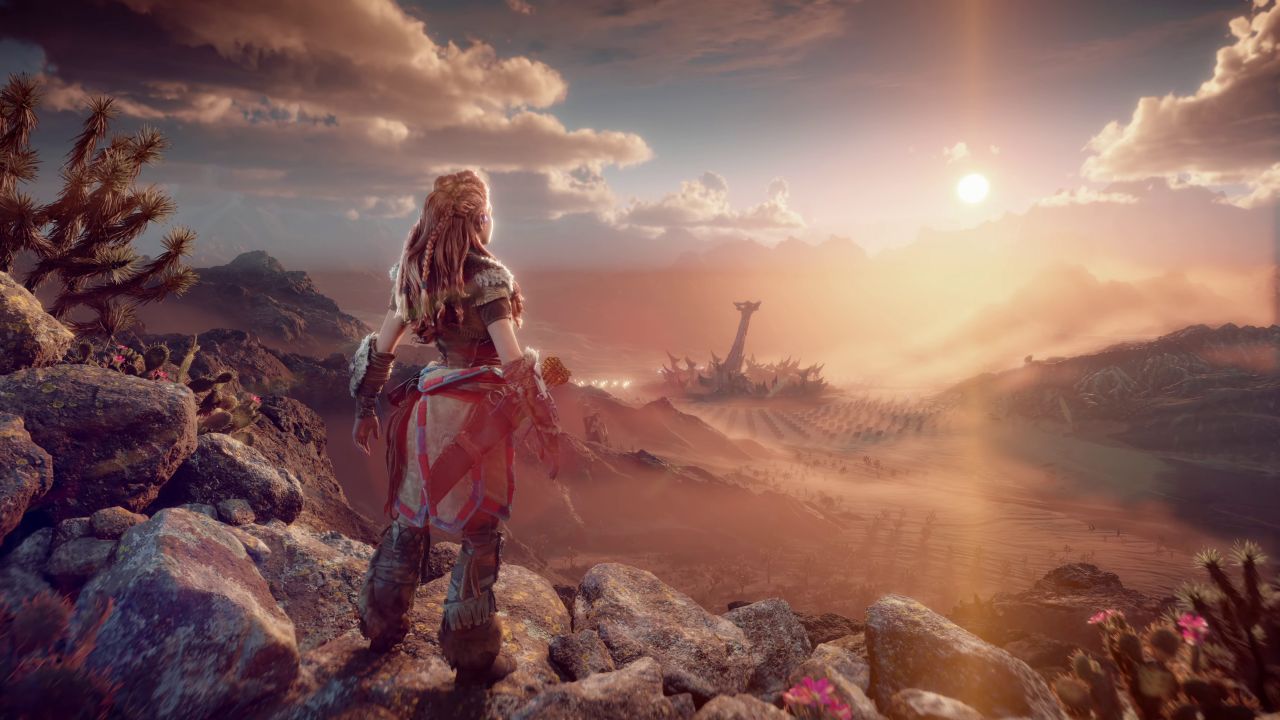
When Genshin Impact launched in 2020, it didn't just enter the market—it exploded across it. miHoYo's open-world RPG quickly amassed over $5 billion in mobile revenue alone, becoming one of the fastest games to hit that milestone. A big part of that success came from more than straightforward translation. The team invested heavily in full cultural adaptation—tweaking dialogue, humor, references, and even visual elements to resonate in markets from Japan and South Korea to the U.S. and Europe. Players in different regions didn't feel like they were reading a localized version; they felt the world was built with them in mind.
That distinction matters. Localization alone can keep a game functional in new markets, but culturalization—the deeper process of examining and adapting assumptions, symbols, and narrative choices—turns good international performance into exceptional revenue. Kate Edwards, a longtime content culturalization strategist who has advised major studios, has long emphasized that culturalization isn't optional in today's market; it's a proactive step to avoid alienating players and to build genuine emotional connections.
Too many titles still stumble on the basics. Players encounter stiff, machine-like translations that drain personality from dialogue. Cultural jokes land flat because they rely on untranslatable puns or region-specific references. Worst of all, text expands in translation—German or French sentences often run 30-50% longer than English—and suddenly UI boxes overflow, subtitles clip, or menus turn into visual chaos. These issues aren't minor annoyances; they drive negative reviews, higher churn, and lost monetization. One analysis of underperforming launches pointed directly to text overflow and cultural missteps as recurring culprits in poor player retention.
The payoff for getting it right shows up in hard numbers. According to Lokalise's Localization Revenue Report, two out of three companies attribute 26–50% of their revenue growth to effective localization efforts, with another 11% crediting it for more than half their gains. In the broader market, Newzoo's 2025 data projects global games revenue reaching around $189–197 billion, with Asia-Pacific still contributing the largest share at roughly 46%. Ignoring non-English-speaking regions means leaving massive audiences—and dollars—on the table.
For RPGs in particular, where story, character depth, and world-building carry the weight, culturalization follows a deliberate flow. Start early: polish source text to minimize ambiguity, then provide translators with full context—let them play the game, see character expressions, hear voice lines. Terminology glossaries and style guides come next, approved before bulk translation begins. For dialogue-heavy RPGs, prioritize natural flow over literal accuracy; a witty line in Japanese might need re-imagining entirely in English or Spanish to keep the same emotional punch. Tools that flag text length early—pseudo-localization testing with expanded strings—prevent UI disasters down the line.
Avoiding common pitfalls requires vigilance. Audit for sensitive content (historical references, religious symbols, gestures that change meaning across cultures) before localization kicks off. Design flexible UI from the prototype stage—variable font sizes, resizable boxes, right-to-left script support for Arabic or Hebrew. And never underestimate testing: in-context QA catches overflows and tone issues that spreadsheets miss.
The best examples prove the approach works. Titles like Persona 5 earned praise for handling cultural nuances with care—adapting school-life humor and social themes so they felt authentic rather than imported. Reviewers often call out such efforts as key to why certain RPGs achieve cult status abroad. When localization feels invisible, players stay longer, spend more, and spread the word organically.
For developers eyeing global expansion, partnering with experienced specialists makes the difference between adequate results and standout success. Artlangs Translation brings over 20 years of dedicated language service experience, proficiency across more than 230 languages, and a network of over 20,000 certified translators with long-term collaboration. Their deep focus on game localization, alongside video localization, short-form drama subtitles, multi-language dubbing for shorts and audiobooks, and data annotation/transcription, positions them to handle the full spectrum—from cultural audits to final QA—helping studios turn international markets into reliable revenue drivers.