Game manuals and in-game guides have a reputation for being dense walls of text that leave beginners more overwhelmed than empowered. Players fire up a new title excited to dive in, only to face pages of jargon, unclear steps, or instructions that feel like they assume prior knowledge. It's a common frustration that leads to early drop-off, with many simply closing the game before the fun even starts.
The good news? Thoughtful translation and localization of these materials can flip the script. By focusing on clarity, engagement, and cultural relevance, translators help create experiences where new players feel guided rather than lectured. This isn't just about swapping words—it's about reshaping how information is delivered to match how people actually learn and play today.
Why Traditional Manuals Fail New Players
Many classic player handbooks suffer from the same issues: they're long, formal, and packed with technical details that prioritize completeness over approachability. A study on game tutorials and player behavior highlighted how overly complex or mandatory onboarding can frustrate users, sometimes reducing progress by significant margins in intricate titles.
Real-world player feedback echoes this. Forums and reviews are full of complaints about tutorials that pause gameplay for lengthy explanations or manuals that read like engineering specs. One analysis of mobile game retention showed that poor early guidance contributes heavily to day-one churn, with many players bailing before they grasp core mechanics. In an industry where first impressions determine whether someone sticks around, this is costly.
Key Principles for Newbie-Friendly Translations
Effective translation for game manuals and newbie guides starts with empathy for the audience. Here's what stands out in successful projects:
Simplify and Chunk Information. Break dense sections into bite-sized, scannable parts. Use short sentences, active voice, and plenty of white space. Instead of a single massive paragraph on combat systems, offer numbered steps with visual callouts or icons that players can reference quickly during play. Translators often expand English text by 30-40% in other languages to maintain natural flow, so planning for layout adjustments early prevents cramped or awkward results.
Adopt a Conversational Tone. Ditch stiff, corporate language for a friendly, encouraging voice that speaks directly to the player. Phrases like "You'll want to try this next" or "Here's a quick tip" build confidence. Game localization experts emphasize that tone should match the game's personality—playful for casual titles, immersive for story-driven ones—while remaining accessible.
Prioritize Context and Visuals. Pure text rarely suffices. Strong translations integrate seamlessly with screenshots, diagrams, tooltips, or animated GIFs in digital manuals. Providing translators with full game access or detailed briefs ensures they understand mechanics in action, not just on paper. This context helps avoid literal translations that miss the mark culturally or mechanically.
Test with Actual New Players. Localization isn't complete without QA from native speakers who are new to the game. They catch confusing phrasing or cultural mismatches that experts might overlook. In one notable case, poor handling of cultural references in early localizations led to backlash, underscoring the need for thorough review.
Incorporate Progressive Guidance. Modern guides often use layered help: basic overviews for absolute beginners, optional deeper dives for those ready for more. This respects different learning styles and prevents information overload.
Real-World Wins from Smart Localization
Look at how major titles have benefited. Nintendo's consistent attention to localization, including clear, inviting manuals and in-game guidance, has helped it maintain strong global market presence. Their approach ensures players across regions feel equally supported from the start.
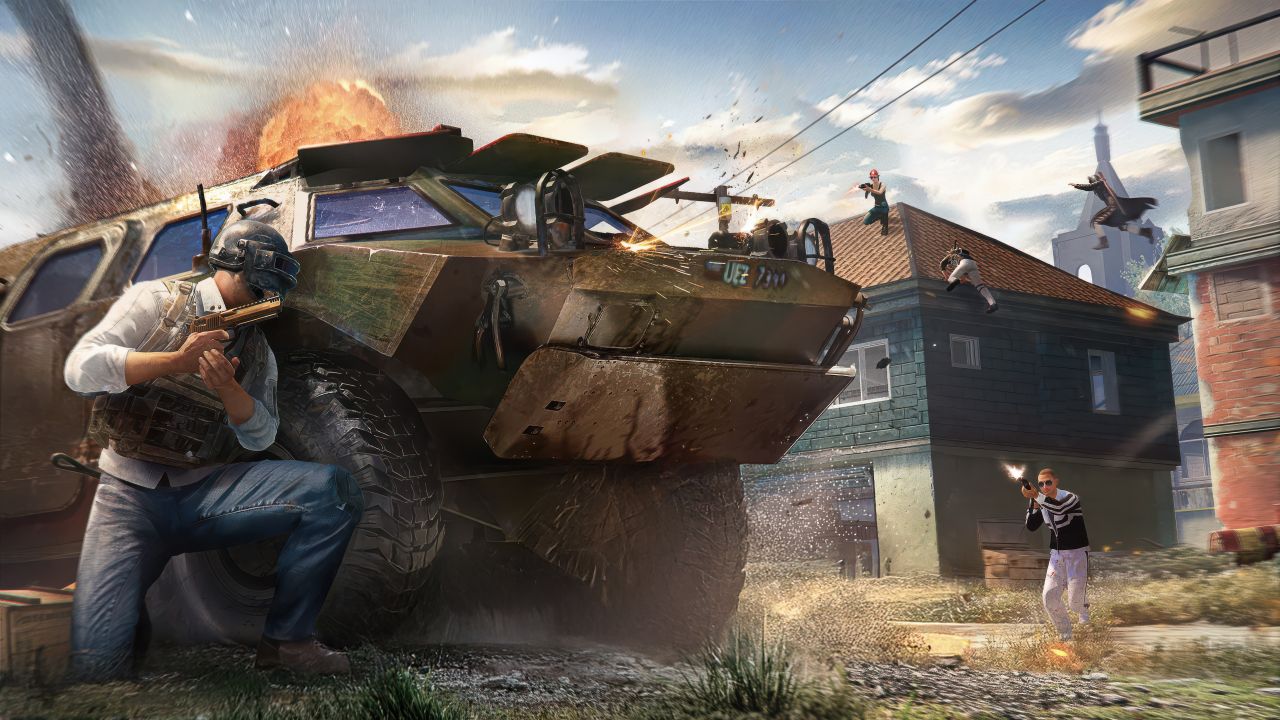
PUBG's expansion into new markets, including strong localization efforts with multiple languages and tailored elements, contributed to its massive success and enduring player base. Effective newbie resources played a role in making the complex battle royale accessible to broader audiences.
Smaller studios see gains too. When developers collaborate with experienced localization teams that include gamers, the resulting guides feel intuitive. Translators familiar with gaming culture can adapt terminology naturally—turning dry system explanations into engaging onboarding that boosts retention.
These examples show a pattern: investing in player-centered translation doesn't just reduce confusion—it enhances enjoyment and encourages longer play sessions.
Practical Tips for Developers and Publishers
If you're preparing a game for international release, involve localization experts early. Share builds, glossaries, and style guides so translators can immerse themselves. Consider tools that separate text from code for easier updates. And always budget for cultural adaptation beyond word-for-word conversion—humor, references, and even UI elements may need tweaking.
For manuals specifically, think digital-first. Interactive PDFs, in-game wikis, or companion apps allow dynamic help that evolves with player progress, far outperforming static booklets.
Elevating Global Game Experiences
Creating welcoming player manuals requires more than linguistic accuracy. It demands a deep understanding of gaming communities, cultural nuances, and how beginners actually engage with new worlds. Professional teams with extensive experience across hundreds of languages deliver this blend of precision and creativity, drawing on vast networks of specialized translators and proven workflows in game localization, video adaptation, subtitle work, dubbing for short dramas and audiobooks, plus data handling. With over two decades serving the industry and thousands of successful projects, such partners help studios connect authentically with players worldwide—turning potential frustration into lasting immersion.
The result? Games that welcome everyone, regardless of background or experience level. In a crowded market, that human touch in translation can make all the difference between a one-time download and a dedicated fan.