Game developers pour heart and soul into creating immersive worlds, memorable characters, and addictive gameplay. Yet too many titles falter when crossing borders. A clever joke falls flat, a visual symbol offends, or awkward phrasing pulls players out of the experience. The result? Negative reviews, low retention, and missed revenue in key markets. These cultural missteps and sluggish adaptation processes represent some of the biggest hurdles for studios aiming beyond their home territory.
Effective game localization does far more than swap words. It breathes local life into every element—dialogue, UI, humor, visuals, and even mechanics—so the game feels built for that audience. Studios that treat it as an afterthought risk backlash; those who integrate it thoughtfully often see dramatic uplifts in engagement and sales.
Why Poor Localization Still Haunts the Industry
The global games market continues its explosive growth, with revenues projected to exceed $577 billion in 2026. Asia-Pacific dominates, but opportunities stretch across Latin America, Europe, the Middle East, and emerging regions. Yet many releases still stumble on basics. Classic blunders—like insensitive cultural references or literal translations that destroy humor—have tanked player sentiment. One notorious example involved a mission in Call of Duty: Modern Warfare 2 that sparked controversy due to how it was handled (or mishandled) across regions.
On the positive side, thoughtful work delivers results. The Witcher 3: Wild Hunt earned praise for feeling native in multiple languages, helping it become a global phenomenon. Genshin Impact masterfully blended cultural elements while adapting seamlessly for diverse players, contributing to its massive international success. Indie experiments also prove the point: localizing a title like Wanba Warriors into additional languages boosted visibility and sales in new territories, even for an established game.
Data backs this up. The game localization services market itself is expanding rapidly, valued around $1.25 billion recently and forecasted to reach $3.1 billion by 2033 at a strong CAGR. Studios investing here aren't just translating—they're unlocking broader audiences and higher lifetime value per player.
Inside a Proven Localization Workflow: From Assets to Immersive Release
Successful localization isn't a single handoff—it's a structured yet flexible process that starts early and iterates right through launch and beyond. Here's how it typically unfolds when done right:
Early Planning and Internationalization: Smart teams design with localization in mind from day one. This means separating text from code, allowing for text expansion (German or French often needs 30%+ more space), supporting right-to-left languages, and avoiding hard-coded strings or culturally rigid assets.
Market Research and Cultural Audit: Identify priority languages and regions based on revenue potential, player demographics, and competition. Experts review content for sensitive issues—symbols, humor, character designs, or historical references that might not land well.
Creating a Robust Localization Kit: This includes context-rich files, glossaries, style guides, reference images, and voice direction notes. Translators and cultural consultants use these to maintain tone, character personality, and gameplay intent.
Translation and Cultural Adaptation: Professional linguists who game themselves handle the work. They adapt jokes, idioms, and narratives so characters feel authentic. This stage often includes transcreation for marketing materials.
Voice-Over, Multimedia, and Integration: Dubbing, subtitles, and UI adjustments come next. Native speakers record lines that match lip sync and emotional delivery.
Rigorous QA and Testing: Linguistic, functional, and localization testing catch issues in-context. Testers play through the full game in each language, checking for truncated text, broken mechanics, or cultural red flags.
Post-Launch Support: Live-service games need ongoing updates localized quickly to keep global communities engaged.
This end-to-end approach minimizes delays and maximizes quality. Tools and experienced partners help streamline it without sacrificing soul.
Real Results: When Localization Elevates a Title
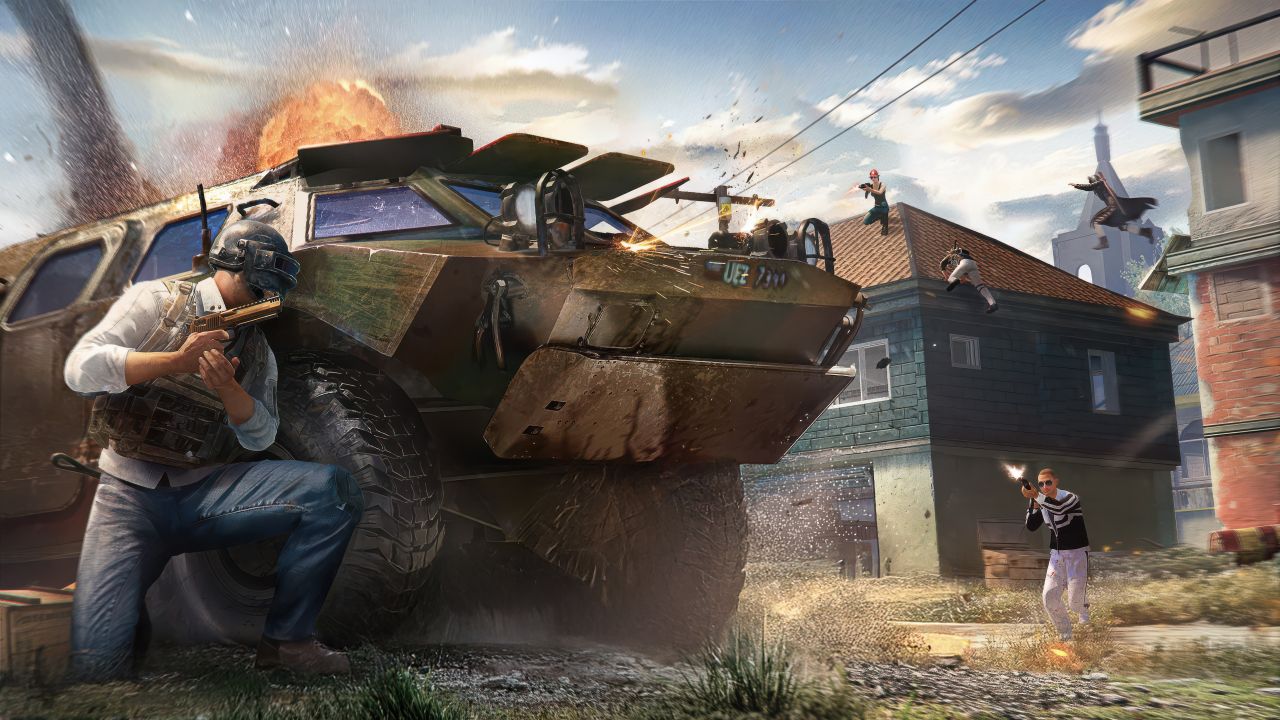
Look at Ubisoft's Assassin's Creed series. Careful adaptation, including deep cultural respect in regions like the Arab world for Valhalla, helped build genuine fanbases. PUBG's success in Southeast Asia similarly stemmed from smart localization that resonated locally.
For indies and mid-sized studios, the payoff is equally real. One studio saw sustained sales increases across dozens of countries after targeted localization, proving even smaller titles can expand dramatically with the right investment.
The common thread? Treating localization as storytelling collaboration rather than a checkbox exercise. It preserves the game's emotional core while making it feel personal to new players.
Choosing the Right Partner for a One-Stop Global Solution
Navigating this complexity alone is tough—especially under tight deadlines and budgets. That's where specialized providers shine. They combine deep gaming expertise with vast linguistic networks to handle everything from initial audits to post-release updates efficiently.
Artlangs Translation stands out with over 20 years of dedicated service in translation, video localization, short drama subtitles, game localization, multi-language dubbing for dramas and audiobooks, plus data annotation and transcription. Backed by more than 20,000 professional collaborators and proficiency across 230+ languages, they deliver the full-spectrum support studios need to turn ambitious titles into worldwide successes. Their track record of excellent cases demonstrates a practical understanding of the challenges developers face and the immersive results players deserve.
If you're preparing a global release, prioritizing localization from the outset can be the difference between a regional hit and a worldwide phenomenon. The players are waiting—make sure your game speaks their language, in every sense.