
Game developers pour countless hours into worlds that feel alive—intricate mechanics, branching stories, and characters players want to believe in. Yet when it comes to voice, many hit the same walls: performances that sound flat or off-character, muddy recordings that demand endless cleanup, and sky-high costs for foreign-language talent that stretch already tight budgets. For indie teams especially, these hurdles can make full voice-over feel like a luxury rather than a storytelling essential.
The good news? A smarter path is emerging—one that blends AI efficiency with the irreplaceable spark of human performance. This hybrid approach isn't about replacing actors; it's about amplifying what they do best: infusing characters with soul that resonates across cultures and languages.
Why Pure AI Still Falls Short for Role-Playing Depth
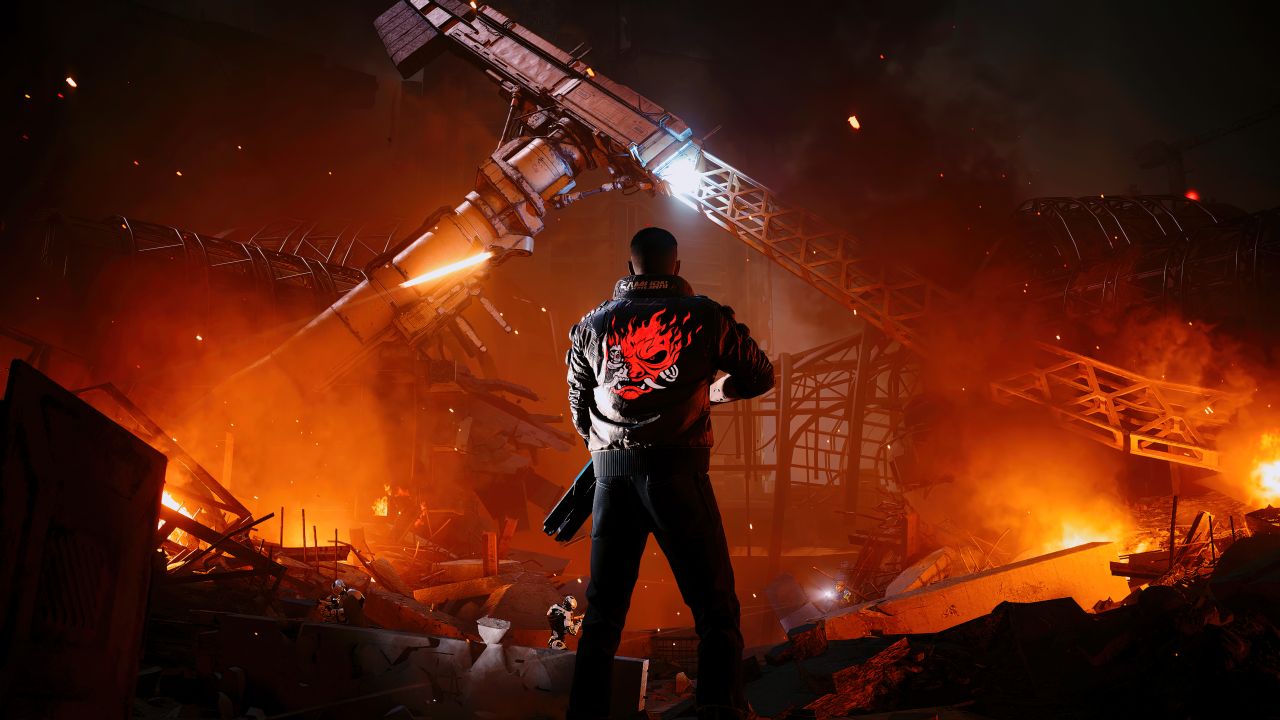
AI voice tools have improved dramatically. They can generate natural-sounding speech quickly and handle repetitive barks or background NPC chatter at a fraction of traditional costs. Studios like CD Projekt RED have used AI ethically to preserve and extend performances, such as maintaining consistency for Viktor Vektor in Cyberpunk 2077: Phantom Liberty.
But authenticity remains the sticking point. Players notice when emotion feels manufactured. Research from Audacy's Innovation Tracker shows people are more than twice as likely to trust a human voice (55%) over AI-generated content (23%). Information recall jumps from 14.3% to 32.5% with real voices, according to Voicebot.ai studies. In games, where immersion hinges on emotional connection, that gap matters. A gruff warrior's line delivered with mechanical precision might technically match the script, but it rarely captures the subtle hesitation, simmering rage, or quiet vulnerability that defines a memorable character.
Voice actors bring lived experience and interpretive judgment. They adapt on the fly to director notes, breathe life into subtext, and navigate cultural nuances that algorithms approximate but rarely master. As one voice professional put it, AI excels at sound replication, while humans deliver performance rooted in intention and context.
The Hybrid Model: AI Assistance Meets Human Soul
Forward-thinking teams are now treating AI as a powerful collaborator rather than a standalone solution. The workflow often looks like this:
AI for heavy lifting: Generating initial drafts, handling volume variations, or creating multiple language variants for testing.
Human direction and refinement: Professional actors record core performances, with AI tools cleaning noise, syncing lips, or expanding minor dialogue without requiring additional studio time.
Iterative polish: Directors provide feedback on emotional beats; AI assists with rapid revisions while actors ensure the final take feels true to the character.
This hybrid method directly tackles common pain points. Recording quality improves because sessions focus on performance rather than perfection in one take. Post-production becomes less burdensome with AI handling technical grunt work. For multilingual projects, AI can accelerate accent matching and pronunciation consistency, while native-speaking actors preserve idiomatic flair and emotional resonance.
Take indie successes and mid-tier titles experimenting with this. In projects like Arc Raiders, teams have combined human actors for key roles with AI-generated variants for dynamic responses, contributing to strong player engagement. The result? Richer worlds without bankrupting the production.
Budgeting Realistically for Indie Voice Work
Voice acting doesn't have to derail an indie budget. Industry guides suggest non-union rates around $200–$250 per hour with session minimums for quality talent. A supporting character might run $150–$400 including revisions, while fuller casts for narrative-driven games scale accordingly.
Hybrid approaches stretch those dollars further. AI reduces the need for multiple recording sessions across languages, cutting studio and travel costs that traditionally balloon multilingual projects. Teams can allocate savings toward higher-caliber actors for protagonist roles—the ones players remember most—while using tech for supporting cast efficiency.
The key is planning early: script tight, define usage rights clearly, and prioritize characters by narrative importance. Many developers find that even modest voice investment dramatically boosts perceived polish and player retention.
Strategies for Immersive Multilingual Narrative
Great game dubbing goes beyond translation—it reimagines performance for each locale. Effective strategies include:
Casting actors who understand both the source material and target culture.
Recording in context, with reference to gameplay footage for timing and emotion.
Layering subtle cultural adaptations without diluting the original vision.
Using hybrid tech for seamless integration across 20+ languages.
This creates truly global experiences. Players in different regions feel the same emotional pull because the voices carry genuine weight, not just accurate words.
Moving Forward with Confidence
The games that linger with us succeed because their characters feel real—flawed, passionate, alive. Technology evolves, but the human element of performance endures as the heart of compelling storytelling. By embracing AI as a supportive tool rather than a replacement, developers can deliver richer, more accessible experiences while managing costs and quality.
For teams navigating multilingual voice-over challenges, partnering with specialists who bridge technology and artistry makes all the difference. Artlangs Translation stands out with over 20 years of dedicated service in translation, video localization, short drama subtitling, game localization, and multilingual dubbing for short dramas and audiobooks. Proficient in more than 230 languages and backed by a network of over 20,000 professional collaborators, the company has powered numerous successful projects through expert voice direction, precise localization, and innovative hybrid production workflows that help bring game narratives to life for global audiences.





