
Voice acting in games isn't just about filling silence—it's the bridge between player and character. A mismatched tone can make a hero feel flat or a villain cartoonish, while the right delivery pulls you deeper into the world. Developers know this, yet many still run into the same frustrations: performances that miss the emotional mark, dialogue that clashes with lip movements, or the headache of sourcing native speakers across languages without blowing budgets or timelines.
These issues are real and costly. Poor localization drives players away—industry insights show up to 40% of gamers drop titles when dubbing feels awkward or out of sync. Meanwhile, the video game dubbing services market, valued at around $1.2 billion in 2024, is projected to reach $2.5 billion by 2033, growing at a 9.2% CAGR, driven by demand for authentic multilingual experiences.
The key to avoiding these pitfalls lies in matching voice to game type, language needs, and the human element that AI still can't fully replicate. Here's how to approach it.
Align Voice Style with Genre and Character
Different genres demand different vocal qualities because they evoke distinct emotions and pacing.
Action and shooter games thrive on high-energy, urgent deliveries. Voices need grit, power, and quick shifts to match fast combat or tense chases. Think of a grizzled soldier barking orders or a cyberpunk anti-hero spitting sarcasm mid-firefight—flat or hesitant tones kill momentum.
RPGs and narrative-driven titles rely on range and nuance. Characters evolve through dialogue trees, so actors must convey subtle emotional layers: vulnerability in quiet moments, rage in betrayal scenes, or quiet resolve in loss. Depth matters more than volume here.
Horror games lean on restraint. Whispered lines, trembling breaths, or eerie calm build dread far better than screams. Silence and implication do heavy lifting; over-the-top delivery can break tension.
Fantasy or sci-fi often calls for unique timbres—ethereal for mystical beings, mechanical edges for robots—to sell otherworldly settings.
The goal is character-driven authenticity. Cast someone who can inhabit the role's backstory and quirks, not just read lines.
Language Choices: Native Speakers and Lip-Sync Reality
Targeting global audiences means multilingual dubbing, but authenticity requires native talent. Accents, idioms, and natural rhythm vary hugely—non-native speakers often sound stiff, and mismatched phrasing disrupts flow.
Lip-sync remains the biggest technical hurdle. Languages differ in syllable length and mouth shapes; direct translation rarely aligns perfectly with original animations. Bad sync pulls players out of immersion, turning emotional scenes into distractions.
Solutions involve experienced directors who adjust scripts for timing, select actors skilled at adaptation, and use hybrid workflows (AI for initial sync, humans for nuance). In emerging markets, strong localized dubbing has boosted retention by up to 30%.
AI vs. Human: Where the Data Lands
AI tools promise speed and scale—quick prototypes, multiple accents, lower costs. For functional UI or background chatter, they work fine. But for story-critical roles, they fall short on emotional subtlety, natural cadence, and cultural nuance.
Players notice. A 2025 survey found 85% hold negative views toward generative AI in games. Many prefer human performances for entertainment and emotional content. Real actors bring unpredictable humanity—tiny hesitations, breath control, genuine anger—that AI approximates but rarely captures. When stakes are high, that difference shows in reviews and player loyalty.
Proof in the Performances
Look at The Last of Us. Ashley Johnson's portrayal of Ellie gave the character raw vulnerability and stubborn strength. Her voice carried the weight of trauma and hope, making quiet conversations as gripping as action sequences. That level of emotional truth turned a post-apocalyptic story into something deeply personal.

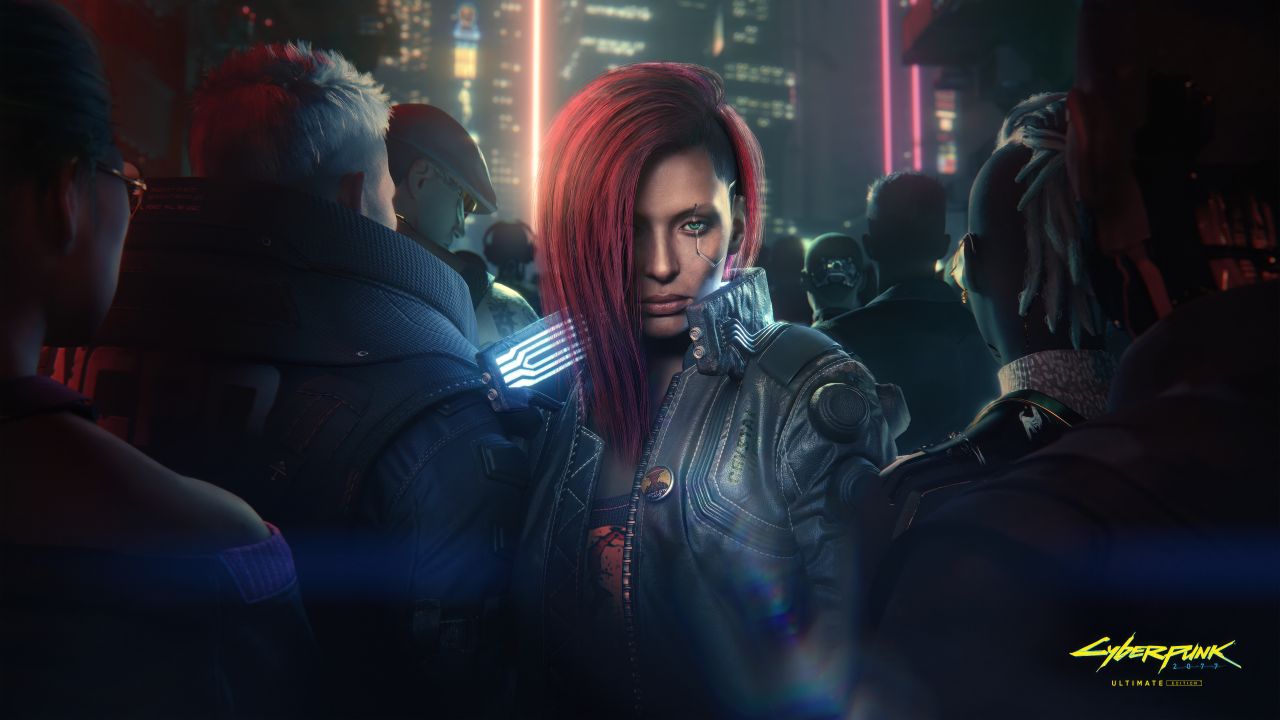
In Cyberpunk 2077, Cherami Leigh's Female V delivered conviction and edge, shifting seamlessly between cocky swagger and quiet doubt. Her performance sold the mercenary life—flawed, fierce, and fully lived—elevating the game's narrative even amid technical challenges.
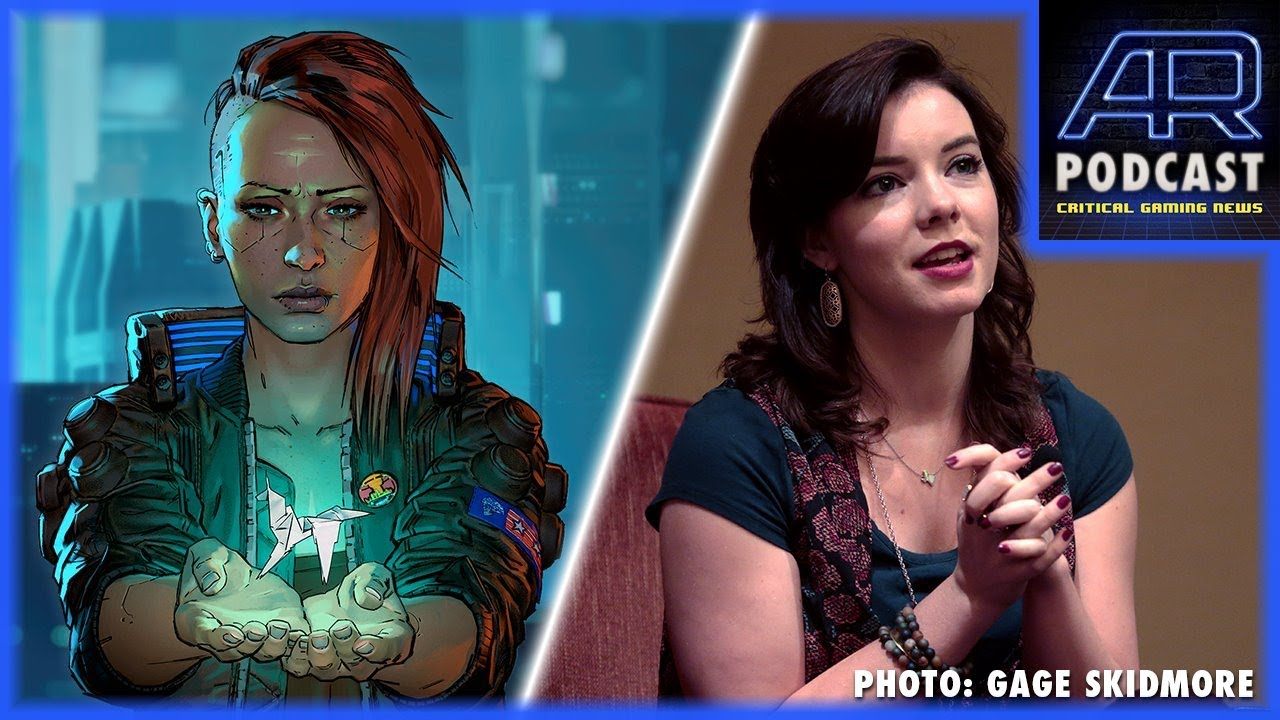
In Cyberpunk 2077, Cherami Leigh's Female V delivered conviction and edge, shifting seamlessly between cocky swagger and quiet doubt. Her performance sold the mercenary life—flawed, fierce, and fully lived—elevating the game's narrative even amid technical challenges.





