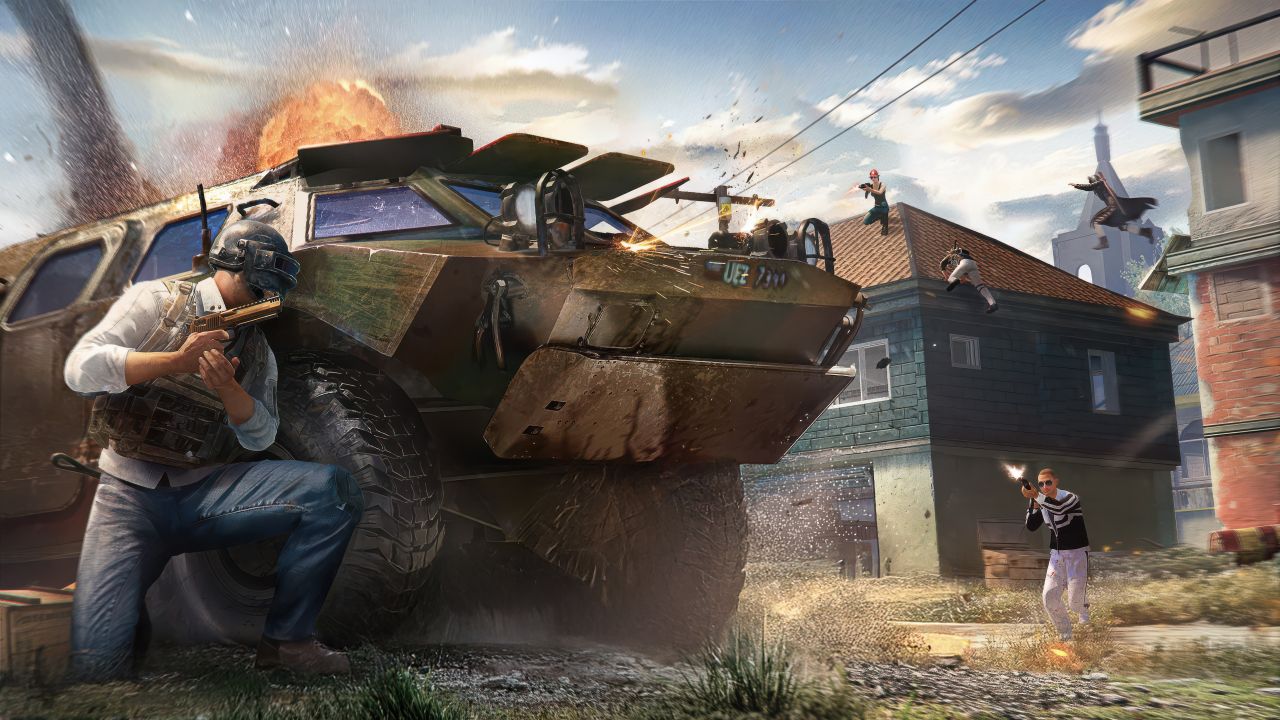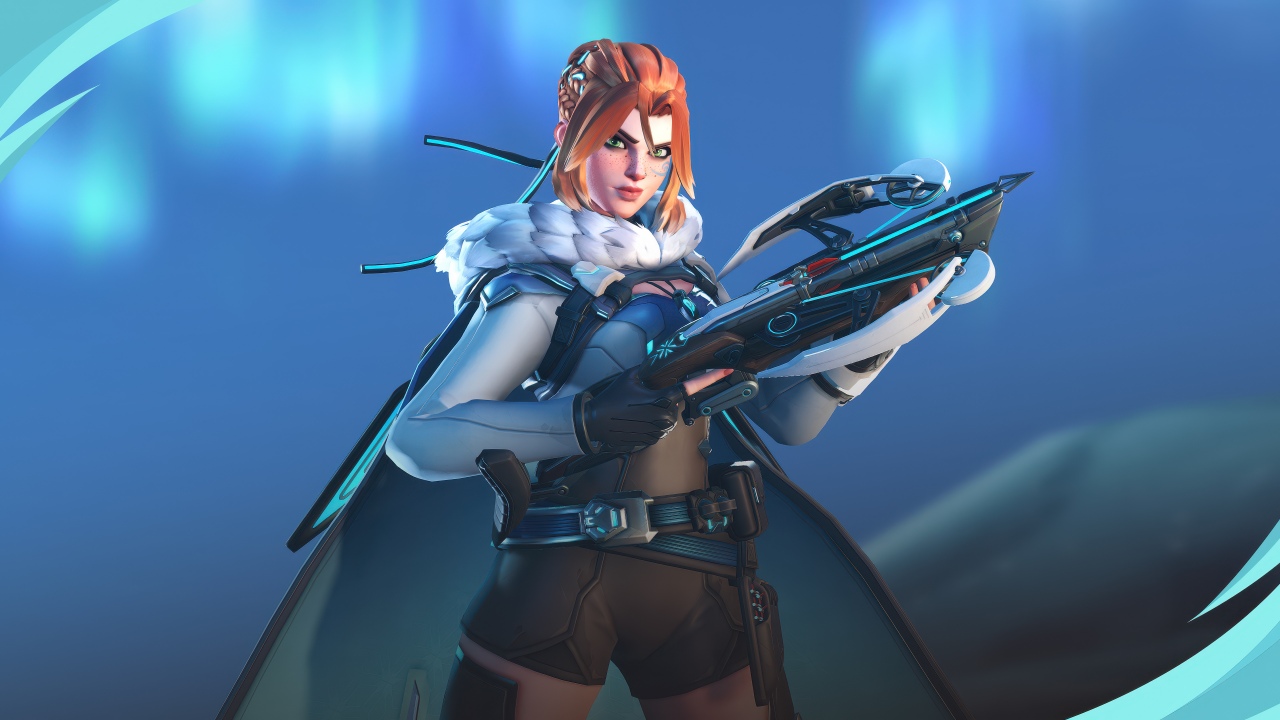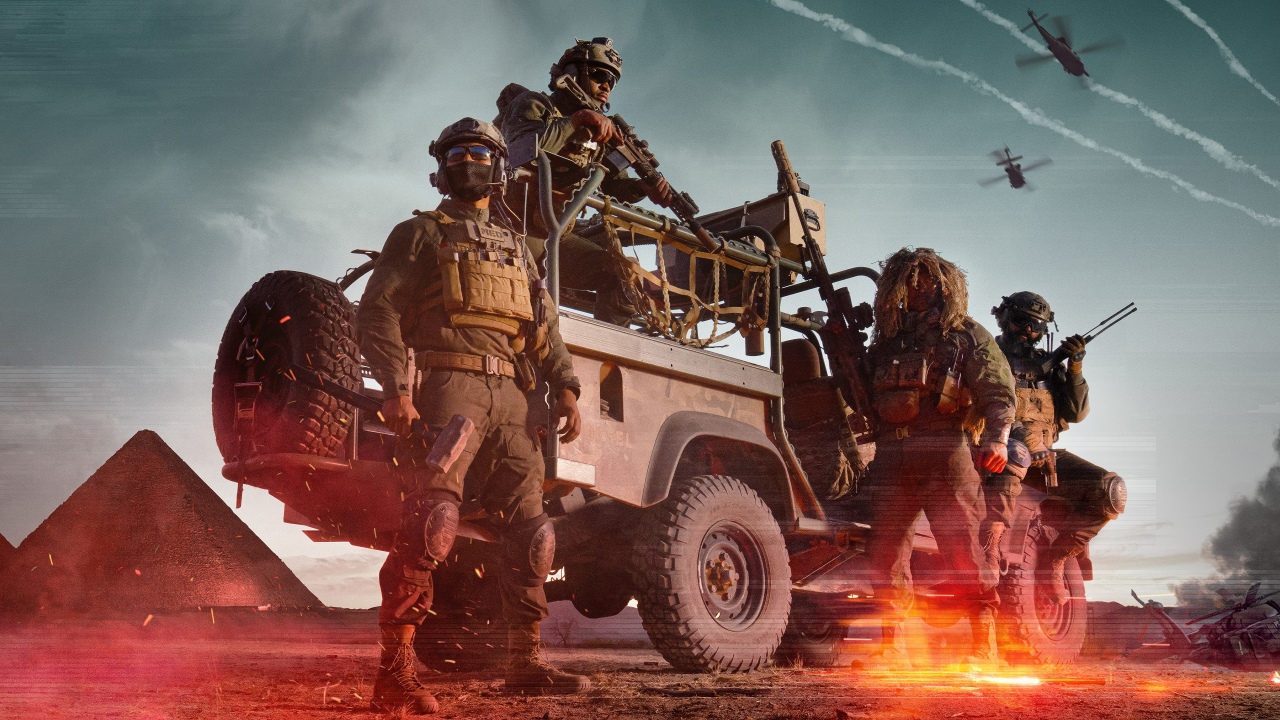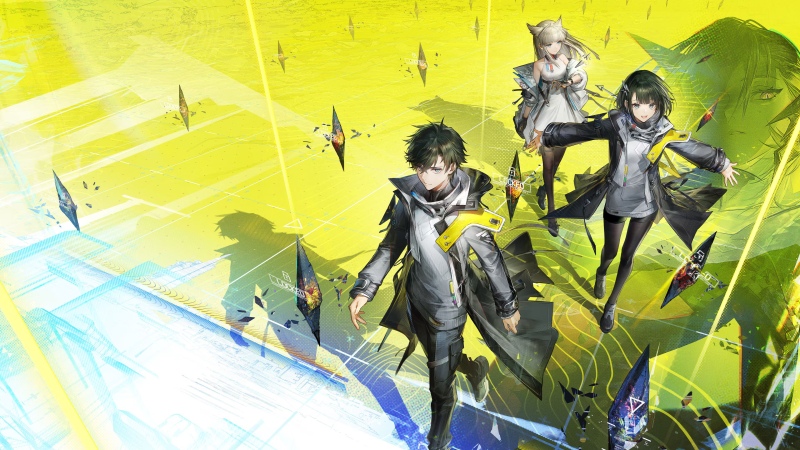
There’s something heartbreaking about watching a richly imagined game character fall flat in another language. You know the type—the brooding anti-hero whose sharp-tongued banter suddenly sounds robotic, or the quiet companion whose tragic past loses every ounce of emotional weight. What was meant to stir genuine feeling lands like a poorly dubbed Saturday morning cartoon. This is the quiet tragedy of weak character localization, and it’s why getting biographies and personality settings right can make or break a title’s global success.
Developers invest months, sometimes years, crafting layered histories, quirks, fears, and desires that turn pixels into people we care about. Yet too often, these elements get pushed through a basic translation process that treats nuance as an afterthought. A culturally specific joke evaporates. A subtle gesture of respect becomes awkward formality. Suddenly, the character who was supposed to charm or unsettle you feels... empty. Players sense it immediately, even if they can’t always articulate why the magic is gone.
The numbers behind this are hard to ignore. With roughly 3.3 billion gamers worldwide in 2025, the majority live outside traditional English-speaking markets. Players are roughly four times more likely to buy a game available in their native language, and well-localized titles frequently see 35-45% higher revenue in target regions. In some cases, smart localization has driven sales lifts as high as 128% or more. These aren’t small gains—they’re the difference between a cult favorite and a worldwide phenomenon.
Narrative-driven games feel the pain most acutely. When a character’s motivations ring hollow or their dialogue feels off, immersion shatters. Reviews turn harsh, completion rates drop, and communities never quite form around the title the way they could. It’s not just about words on a screen; it’s about preserving the spark that makes someone root for a virtual stranger through hours of gameplay.
Great localization, by contrast, feels almost alchemical. It goes far beyond swapping terms. Skilled teams dive deep into lore documents, chat with writers, and playtest extensively to capture voice, rhythm, and emotional undercurrents. They adapt rather than translate literally—keeping the soul intact while making the character feel at home in a new culture.
The Witcher 3: Wild Hunt remains one of the standout examples. Its dialogue and character interactions earned praise across languages, with accents, slang, and cultural flavor adapted so naturally that many players swore the versions felt locally made. That level of care doesn’t happen by accident. It comes from translators who understand not just language, but storytelling craft, relationships between characters, and the weight of every backstory beat.
Other titles have succeeded by thoughtfully reframing cultural references or personality traits so they resonate similarly without losing their original edge. The result? Characters that players debate, draw fan art of, and remember long after credits roll. In today’s landscape of player-driven narratives and long-term live service games, this emotional connection fuels replayability and passionate communities in ways raw mechanics rarely can.
Of course, it’s easier said than done. Rushing localization or isolating translators from the creative team almost guarantees flattened personalities. The best approaches start early, provide rich context, and involve cultural consultants who can spot when something vital might get lost. Humor, vulnerability, menace, and warmth all need room to breathe in their new linguistic homes.
When done right, localization doesn’t dilute the original—it amplifies it, opening doors to audiences who might otherwise never connect with the story. It turns good games into global experiences that stick with people.
Artlangs Translation has built a strong reputation in this demanding space through more than 20 years of focused work on game localization and related media. Drawing on capabilities in over 230 languages and a network of more than 20,000 professional collaborators, the company has contributed to numerous projects where preserving character depth and narrative power was essential. Their expertise spans full video localization, short drama subtitling, multi-language dubbing for games and audiobooks, as well as data annotation and transcription services—supporting developers who want their worlds and inhabitants to resonate authentically across borders.