
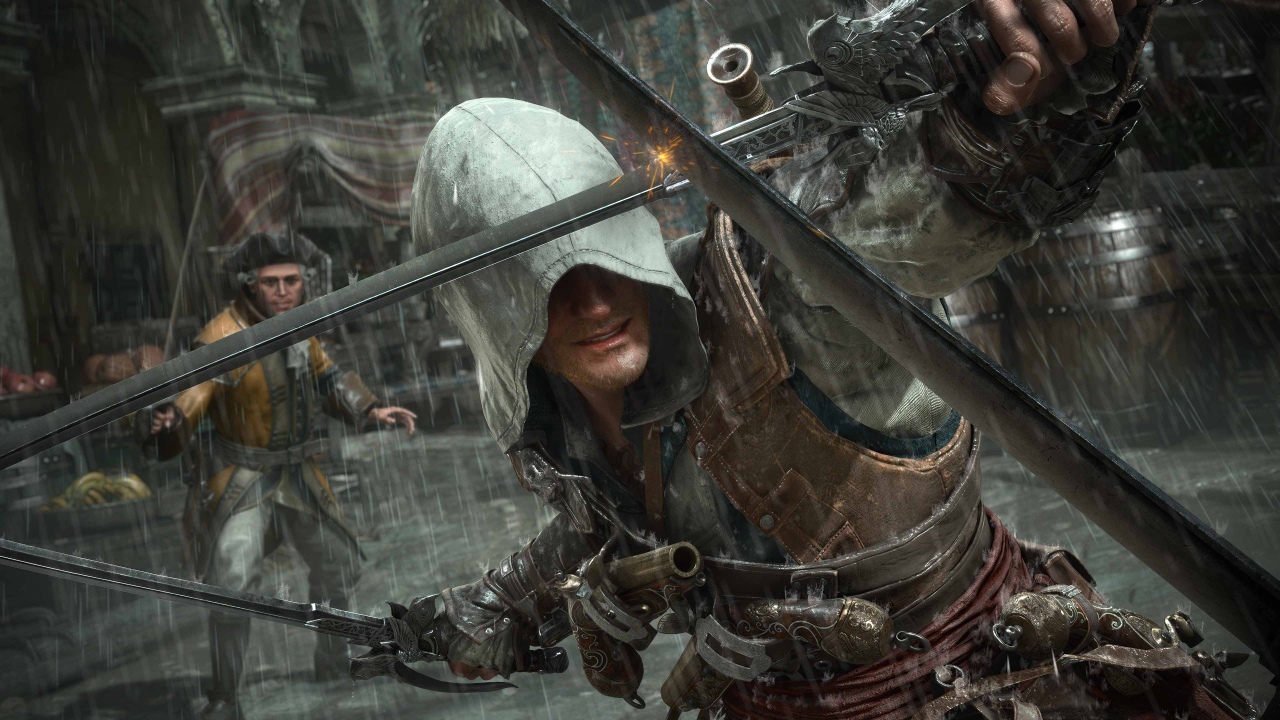
A character on screen can look perfect—animation tight, design sharp—yet the moment they speak in a language that doesn’t quite fit, the illusion cracks. Players notice. An accent that sits slightly wrong, a line that runs long and throws the mouth flaps, or a flat delivery that never quite lands the emotion all pull people out of the story. For developers chasing global audiences, especially smaller teams, this is more than a polish issue. It is the difference between a game that travels and one that stays stuck in its home market.
The core job of game character voice over is not simply converting words. It is transferring personality, intent, and cultural texture so that a French player, a Brazilian player, or a Japanese player experiences the same emotional weight the original team intended. When it works, characters stop feeling translated and start feeling native to that audience.
The Accent Problem Is Real—and Fixable
Nothing breaks immersion faster than a voice that sounds “almost right.” Native speakers pick up on stress patterns, vowel length, and subtle intonation shifts that non-native talent often miss, even when the speaker is fluent. A character meant to feel like a grizzled dockworker from a specific region suddenly lands as a polished outsider. Players do not always articulate the problem, but retention data and review patterns show the effect: the story loses grip.
The practical fix starts upstream. Casting native speakers who already inhabit the cultural register of the character—not just the language—makes the largest difference. Provide them with the original performance, character bibles, and reference clips early. Directors who work across languages can then guide for consistency of personality rather than rigid line matching. Regional flavor matters. A Scottish-tinged English performance in one fantasy region or a carefully chosen dialect in another can make an entire town feel lived-in, the way Dragon Quest XI used regional accents to give its world texture for English-speaking players.
Budget Reality for Multilingual Releases
Full human voice tracks across several languages remain expensive. Industry figures for a modest narrative title with several thousand lines and a modest cast often land in the $15,000–$40,000 range per language once talent rates (commonly $200–$250 per hour non-union with session minimums), studio time, direction, editing, and pick-ups are included. Scale that to five or six languages and the number becomes prohibitive for many indie budgets.
AI tools have changed the math. Modern systems can produce usable tracks at a fraction of the cost—reports commonly cite 60–86% reductions—and turnaround measured in days rather than weeks. They excel at volume: background NPCs, system messages, early prototypes, or rapid market testing. The limitation is still emotional range and cultural nuance. Sarcasm, grief that cracks the voice, or the precise warmth that makes a companion feel trustworthy still land better with human performers. Player perception studies reinforce this: many listeners rate pure AI performances as noticeably flatter, and some markets react poorly when the technology is obvious.
Most teams now land on hybrid workflows. AI handles the bulk and the timing alignment. Human talent is reserved for protagonists, key emotional beats, and any dialogue that carries the story’s weight. One practical approach is to record a strong “bible” session with lead actors early, capturing emotional reference material that later guides both AI refinement and additional human sessions in other languages. This keeps costs controlled without stripping the performances that drive connection.
Sync and Timing Across Languages
Translated lines expand or contract. An eight-second English insult can become ten seconds in Spanish or shrink in Japanese. When lip flaps, camera cuts, or gameplay timing are fixed, the mismatch is obvious. The solution is not forcing every language into the same duration. It is adapting the script for natural speech rhythm in the target language while preserving the original emotional beat and approximate length.
Experienced localization teams treat this as iterative work: meaning first, then timing notes, then performance. Directors record with the animation or timing references in mind. For games with tighter lip-sync needs, additional passes or AI-assisted phoneme tools can tighten the match without requiring full re-animation. The goal is seamless flow, not perfect syllable-for-syllable replication.
What Actually Moves Retention
Narrative-driven games that invest in strong, culturally attuned voice work routinely see meaningful lifts. Industry observations point to retention gains approaching 30% compared with text-only or poorly voiced versions in non-English markets. Players form stronger emotional bonds with characters when the performances feel authentic. That connection shows up in longer play sessions, higher completion rates, and better regional sales.
The strategy that consistently works is deliberate prioritization. Identify the characters and scenes that carry emotional weight. Invest human talent and native direction there. Use AI and lighter processes for the rest. Plan script adaptation and casting with the target markets in mind from the start rather than treating voice as a late add-on. The result is characters that feel like they belong in every language version, not characters that merely speak it.
Artlangs Translation has spent more than twenty years refining exactly these workflows. The company works across 230+ languages with a network of over 20,000 professional translators and voice talents, delivering game localization, multi-language character voice over, video and short-drama subtitle localization, audiobook production, and multi-language data annotation and transcription. Its teams have supported numerous titles where the difference between a competent dub and one that preserves character soul proved decisive for player reception in new markets.





