Most studios still treat localization as a final-stage language swap. That approach works until a game hits a market that treats content as a cultural statement rather than entertainment. Then the real costs appear: bans, day-one patches, review-score collapses in specific languages, or quiet commercial death in regions that never fully engage.
Culturalization is the discipline that sits upstream of translation. It examines symbols, history, gestures, color, humor, and social assumptions against the lived expectations of target players. Kate Edwards, who helped define the practice while at Microsoft and later through Geogrify, describes it as checking whether creative choices will be viable in specific locales, not merely whether the words are correct. The distinction matters more as games target tighter regulatory environments and culturally protective audiences.
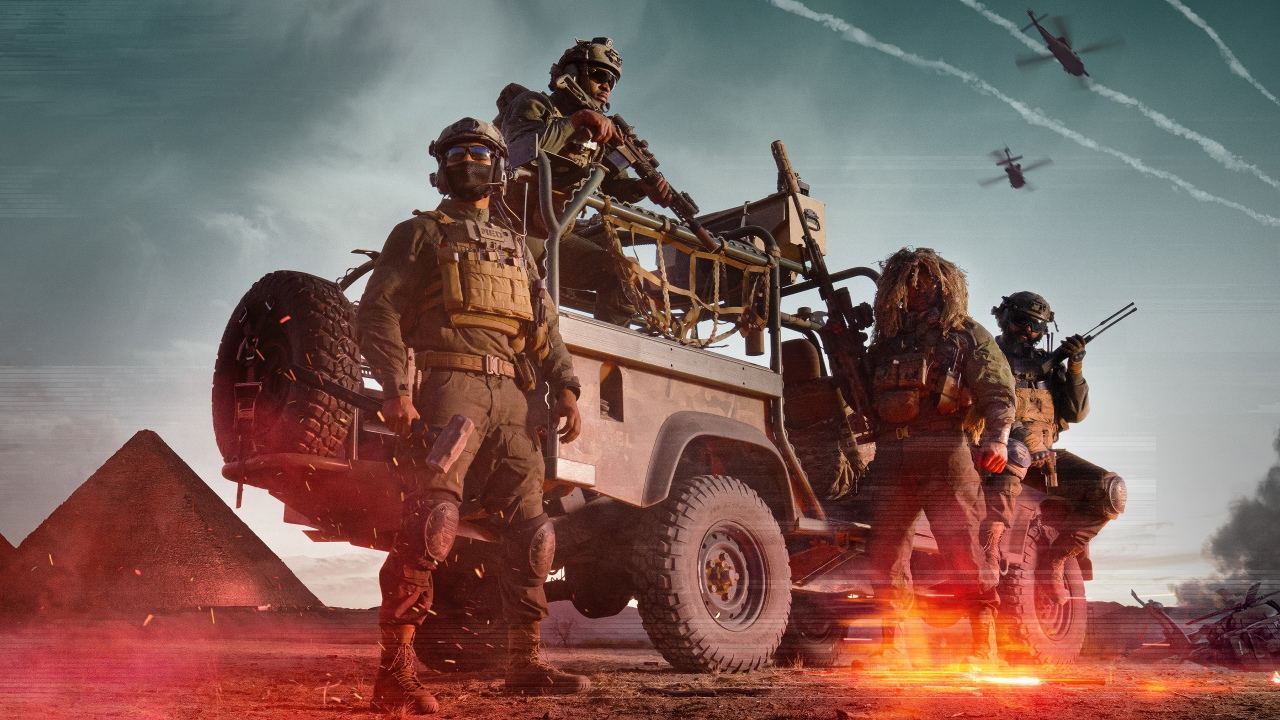
Real failures show the gap. In Fallout 3, the two-headed Brahmin cattle drew from a real breed name. In India the association with sacred cattle and related cultural meanings made the creature unacceptable; the game never found meaningful sales there. Call of Duty titles have repeatedly faced backlash over Quranic text appearing in maps or modes, forcing public apologies and content removal. More recently, Assassin’s Creed Shadows required a day-one patch after players could damage objects inside depictions of real Shinto shrines, drawing criticism that reached Japan’s political leadership. These were not translation errors. They were content decisions that never received early cultural review.
The opposite choice can become a commercial asset. Black Myth: Wukong kept Chinese mythological terms such as “yaoguai” and “loong” largely untranslated. Western players encountered unfamiliar vocabulary, yet the game sold roughly 25 million copies, with a substantial share outside China. Preserving cultural texture rather than sanding it into generic fantasy proved more distinctive than full domestication. Similar logic appears in successful regional adaptations: adjusting default vehicle sets by market in racing titles, or creating festival-specific content that feels intentional rather than bolted on.
RPG localization amplifies every one of these pressures. Lore, faction names, item descriptions, and branching dialogue form a dense web. Best practice begins long before string export. Teams that give translators and cultural reviewers access to the running game, character art, and a living glossary of approved terms reduce the drift that turns consistent world-building into contradictory lore across languages. Transcreation of jokes and idioms becomes necessary when literal rendering kills the intended tone. Character names sometimes shift for pronounceability or cultural resonance; Ace Attorney’s Phoenix Wright is a classic illustration of the principle. The goal is not to erase the source culture but to keep the emotional and strategic clarity intact for players who lack the original context.
UI and UX text length creates a parallel engineering problem. English is unusually compact. German compound nouns routinely expand short UI labels by 30 percent or more; French and Spanish often grow 20–25 percent. Arabic and Hebrew reverse reading direction and require full interface mirroring, not just text direction changes. Fixed-width buttons and absolute positioning break under these conditions. Successful pipelines externalize every string early, assign expansion budgets per UI element, use relative layouts, and test with pseudo-localized or stress-test languages before full production. Mobile interfaces feel the pressure most acutely because thumb-reach and small screens leave little margin for overflow.
Live-service and simultaneous multi-language updates add another layer of friction. When the source language ships new content weekly, dozens of language tracks must stay synchronized without creating version skew or quality cliffs. The practical solution is not heroic last-minute translation sprints. It is a localization-ready content pipeline: modular string management, continuous integration of linguistic and cultural QA, and clear ownership of termbases that evolve with the game rather than freezing at launch.
Closed or highly regulated markets reward this earlier investment. MENA regions scrutinize religious imagery, modesty, and political references. Certain Asian markets maintain strict content lists and historical sensitivities. Entering them profitably usually requires cultural consultation at concept stage rather than after art and narrative are locked. Reactive fixes after backlash are expensive and rarely restore full trust. Proactive culturalization—identifying the handful of high-visibility elements that will be noticed, researching them with sources from inside the culture, and adjusting while change is still cheap—keeps the creative vision intact while removing avoidable friction.
The data backs the shift. Game localization services continue to expand even as pure text translation faces price pressure from automation. Cultural adaptation, voice, and quality processes now carry more of the value. Players notice when a game feels designed for them rather than merely translated at them. Retention, review scores by language, and regional conversion rates reflect that difference more clearly than global averages.
Studios that treat culturalization as optional still ship. Studios that treat it as part of the design conversation reach markets that otherwise remain closed and keep the brand voice consistent across them. The work is less about avoiding every possible offense and more about making informed choices early enough that the final experience feels coherent to the people who will actually play it.
Artlangs Translation has spent more than twenty years supporting exactly this range of work across 230-plus languages. With a network of over 20,000 professional linguists and a track record of complex game, video, short-drama subtitle, multilingual dubbing, and data-annotation projects, the company helps teams move from source content to culturally viable releases without losing the original creative intent.