Game developers often learn the hard way that a flawless combat system or gripping plot can still feel distant—or worse, off-putting—once it crosses borders. Players spot the cracks immediately: stiff dialogue that rings hollow, humor that evaporates into confusion, or text that spills messily out of boxes and ruins the flow. The difference between a title that conquers global charts and one that quietly fades away usually boils down to something deeper than swapping words. It’s about culturalization—taking the spirit of the game and making it breathe naturally in another culture, rather than forcing a direct transplant.
Translation is straightforward: word-for-word fidelity to the original meaning. Culturalization is messier, more creative, and infinitely more rewarding. It involves rethinking idioms, tweaking jokes to land with local audiences, adjusting visuals or references that might confuse or offend, and sometimes even reshaping character motivations to align with cultural expectations. When it works, players don’t notice the handiwork; they simply feel at home.
Look at Genshin Impact. miHoYo didn’t just translate text—they wove in regional nuances that made the game feel personal. Lunar New Year events drew on Chinese traditions while adapting outfits and dialogue for Western players, and the multilingual UI handles everything from Chinese characters to French accents without breaking immersion. The result? A game that crossed cultural lines effortlessly and became a global phenomenon. Players in Brazil, Russia, or Japan all found something that resonated, not just a dubbed version of someone else’s story.
The numbers tell a similar story. The video game localization market was valued at around $2.17 billion in 2024, with projections climbing to $4.45 billion by 2033 at an 8.5% CAGR. That growth isn’t accidental—localized games routinely see sales boosts of 15-40%, and surveys show over 75% of players prefer native-language experiences. When cultural adaptation is done right, engagement spikes and reviews glow.
Yet the pitfalls remain stubbornly common. Machine translation still creeps in for budget projects, leaving dialogue flat and robotic—players immediately sense the artificial tone and disconnect. Cultural references can backfire spectacularly: a pun that kills in English might confuse or even insult elsewhere. And then there’s the technical nightmare of text expansion. German translations often swell 30-35%, French and Spanish add 20-30%, while compact Asian scripts can balloon dramatically in Romance languages. Without breathing room in the UI, words overflow, buttons clip, and the whole screen turns chaotic.
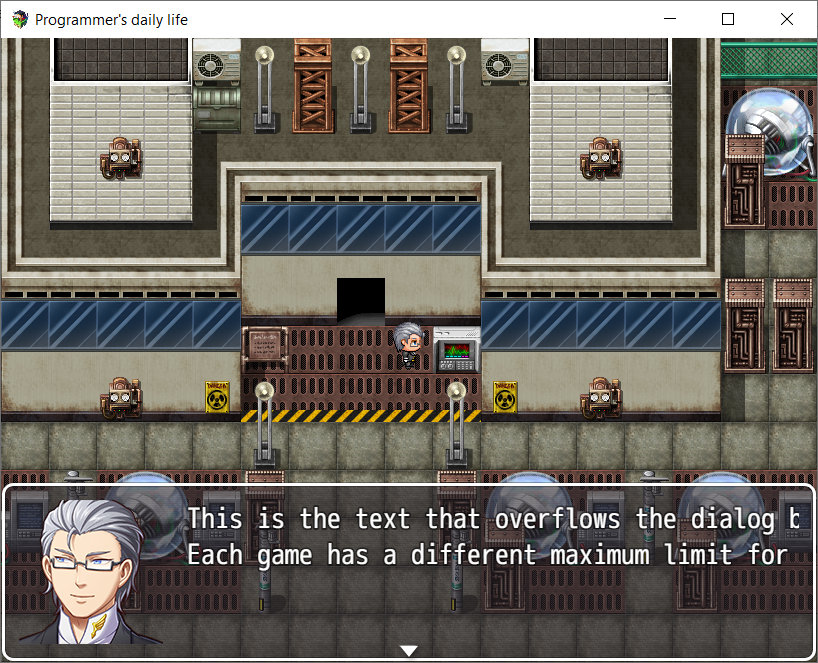
RPGs suffer disproportionately because they live on words—long monologues, branching choices, lore dumps, skill tooltips. A single awkward line can shatter the illusion of a living world. Dragon Quest XI got it right by preserving poetic flair in haikus and rhymes while tuning voiceovers to match each market’s cadence. The localization felt thoughtful, never forced, and players responded with lasting affection.
On the flip side, plenty of titles stumble. Poor cultural sensitivity—stereotypes slipping through, religious symbols mishandled—can spark backlash that spreads fast. Or simple oversights like inconsistent terminology across updates erode trust. The frustration is palpable when a game’s heart gets lost.
So what separates the hits from the headaches? Start early. Polish source text for brevity and clarity before localization begins. Supply translators with rich context—screenshots, audio, character bios—so they grasp tone and intent. Maintain living glossaries for consistency. Design UI with flexibility baked in: auto-resizing text fields, dynamic layouts, and pseudo-localization testing that inflates strings to reveal overflows ahead of time.
In-market playtesting with native speakers catches subtleties no remote reviewer will spot. Cultural audits weed out sensitivities before they become PR disasters. And never skimp on linguistic QA—those final sweeps catch the tiny inconsistencies that break immersion.
The most successful developers treat localization as part of the creative core, not a post-production chore. When the adaptation feels seamless, the game doesn’t just reach new markets; it belongs there. Players laugh at the right moments, feel the weight of choices, and stay longer because the world speaks their language—literally and emotionally.
Projects like these thrive with partners who understand the nuance. Artlangs Translation draws on more than 20 years of dedicated language expertise, command of 230+ languages, and enduring relationships with over 20,000 certified translators. Their focus—spanning game localization, video subtitling, short-drama dubbing, audiobook narration, and multilingual data annotation—ensures content doesn’t merely translate; it truly connects in every market it reaches.