
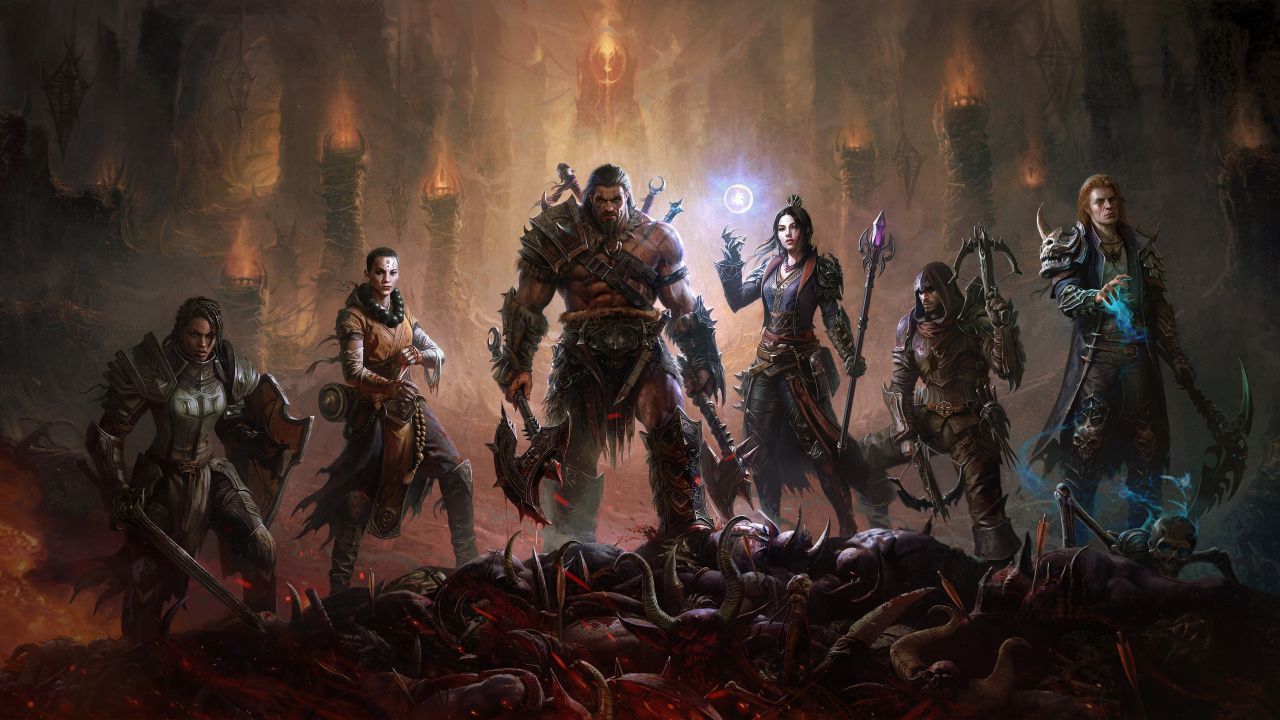
Players rarely pause to think about the short, wordless sounds that sell a fight. The sharp grunt on impact, the strained exhale when a character swings a heavy weapon, the ragged death cry that cuts off mid-breath—these battle grunts and effort sounds (sometimes called onos) do more heavy lifting for immersion than most fully written dialogue. When they feel thin, repetitive, or clipped, the combat falls flat. When they land right, the whole scene gains weight and physicality.
The problem is that recording them is genuinely hard on the people making the noises. Voice actors are routinely handed lists that look something like: fifteen punches to the face, fifteen to the stomach, ten kicks to the ribs, five screams as if on fire, five as if falling. Everything is scripted, variety is expected, and sessions can stack dialogue and efforts in the same block of time. The result, according to multiple surveys and clinical work, is frequent vocal fatigue, hoarseness, and longer recovery times.
A 2022 ACTRA Toronto survey of voice performers found that nearly three-quarters reported sessions that regularly included loud, aggressive, or vocally extreme work. Roughly 38 percent experienced fatigue or stress during those sessions very often or almost always, and more than 40 percent said it took two or more days for their voice to return to normal after an extreme session. A later survey of video-game voice actors published in the Journal of Voice similarly showed high rates of symptoms—hoarseness, difficulty with pitch, partial voice loss—tied directly to the demands of yelling, grunting, screaming, and related effort work. These are not abstract risks; actors have described sessions that left them on vocal rest and, in extreme cases, temporarily unable to take other jobs.
The inconsistency of production standards compounds the issue. Some sessions push volume until the signal clips or the performer starts pushing from the throat. Others fail to schedule breaks or leave the most demanding material until the actor is already tired. The audio that reaches the sound designers then needs heavy processing, or worse, becomes unusable, forcing retakes that only add more strain.
Experienced directors and coaches have developed practical ways around this. J.B. Blanc, whose credits include major titles and who has spoken publicly about the process, stresses variety: each kick or punch should sound slightly different so the pool of assets feels alive rather than looped. Actors are often shown reference animations so the timing and physical intention match the picture. Directors frequently save the hardest efforts for the end of the session so dialogue remains clean.
Technique matters more than sheer force. Warm-ups that engage the whole instrument—humming, lip trills, gentle sirens—paired with light physical activity help the body and breath work together. Power comes from the diaphragm and core rather than slamming the vocal folds. Open vowel shapes (“ah,” “oh,” “uh”) produce fuller, more controllable grunts. Visualizing where a blow lands on the body often yields a more natural reaction than simply trying to “sound hurt.” Hydration is non-negotiable; caffeine and dairy beforehand are usually avoided. Short bursts with real rest periods prevent the cumulative load that leads to damage.
Specialized training has also emerged. Vocal Combat Technique, developed by D’Arcy Smith in collaboration with voice clinicians, focuses on producing aggressive and extreme sounds with less strain. Pilot studies published in the Journal of Voice have shown measurable reductions in self-reported symptoms and improvements in acoustic measures after training. Coaches such as Sébastien Croteau, who has worked extensively on creature and extreme vocalizations for games, emphasize understanding the physiological demands of different efforts and building phonetic variety so the same basic action never sounds identical twice.
Microphone technique and post-production discipline close the loop. Recording at healthy levels rather than forcing the actor to scream into the capsule reduces both clipping and the need for aggressive compression later. Clean, dynamic takes give sound designers more room to shape the final assets. Loudness targets that align with the rest of the game’s mix (often in the range commonly used for dialogue) keep the efforts audible without dominating or distorting.
For teams working across languages, the challenges multiply. A grunt that feels authentic in one culture can read as comic or unnatural in another. Timing, intensity, and even preferred vowel colors shift. Localization therefore benefits from clear briefs, shared reference libraries of approved efforts, and directors or coaches who understand both the technical requirements and the cultural expectations of the target market.
When these elements—preparation, technique, pacing, variety, healthy levels, and consistent standards—are treated as part of the production pipeline rather than afterthoughts, the resulting audio is stronger and the talent remains available for the next session. The difference shows up in the game: combat that feels physically present rather than merely noisy.
Studios that treat effort recording with the same care given to dialogue ultimately protect both the quality of the product and the sustainability of the performers who make it possible. Artlangs Translation, with more than twenty years of specialized language and multimedia work, supports these pipelines through game localization, multilingual voice recording for games and short-form content, audiobook dubbing, video and short-drama subtitle localization, and related data annotation and transcription services across more than 230 languages, drawing on a network of over 20,000 professional linguists and voice specialists.





