
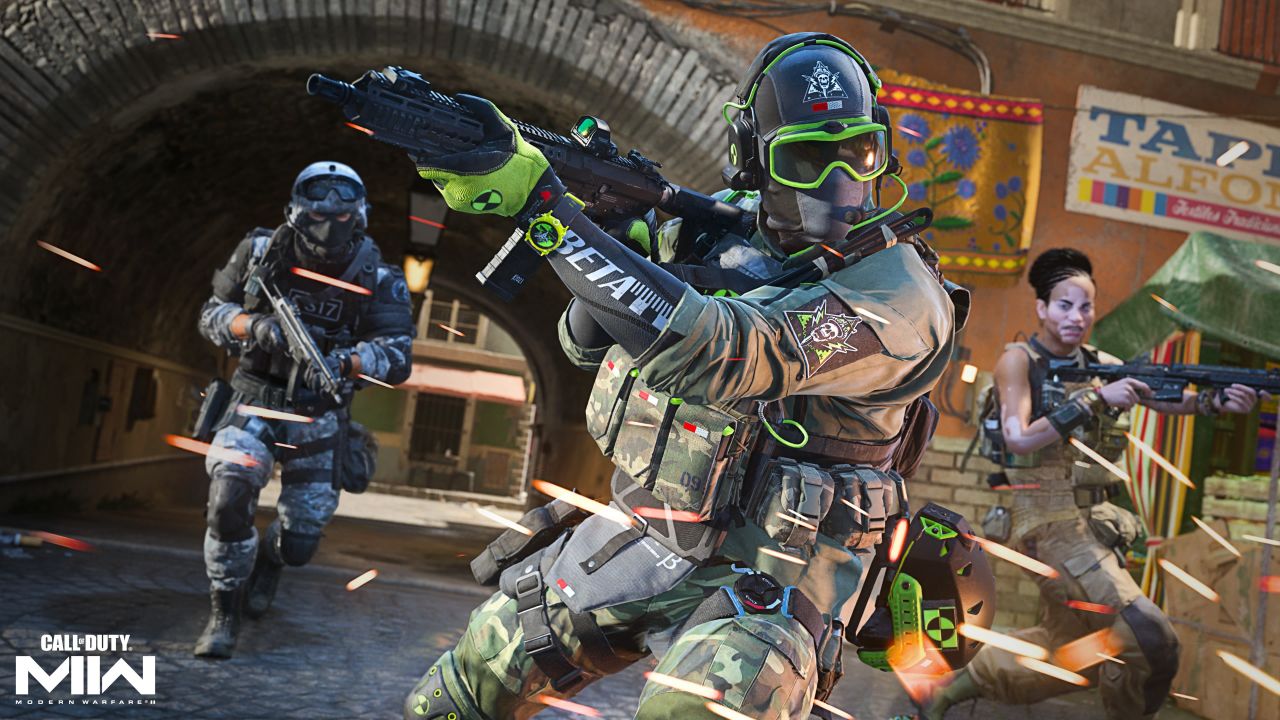
Think back to the launch of Modern Warfare 2 in Japan. A single mistranslated line turned "Remember, no Russians" into "Kill them, they are Russians," sending players scrambling to shoot the wrong targets. Confusion spread like wildfire across forums, tanking immersion and sparking backlash. It's a stark reminder that even blockbuster titles aren't immune to language slip-ups derailing the experience. In game development, these aren't just minor glitches—they're revenue killers, especially when expanding overseas. Enter Linguistic Quality Assurance (LQA), the unsung hero that catches these issues before they hit players.
LQA isn't some optional polish; it's the final safeguard for games going global. As developers push into new markets, where over 60% of projects face delays from localization oversights, skipping thorough checks can mean missing out on 40% higher international revenue for those who get it right. It's about more than translation—it's verifying that every line, menu, and prompt feels native, functional, and culturally spot-on in context. Without it, you're essentially launching with blind spots, risking everything from frustrated users to plummeting reviews. Industry vets like those at GlobalStep emphasize how LQA slashes negative feedback by nailing linguistic flow and cultural relevance, directly boosting player retention and sales. In short, it's your last line of defense against bugs that could sink your overseas ambitions.
Diving into the pitfalls, let's break down the most common language bugs that developers overlook, often with disastrous results. These aren't rare outliers; they're patterns seen across titles, from indie gems to AAA epics. Take contextual mismatches, for instance—one of the top offenders in localization testing. A phrase that works perfectly in English might flop in another language if it ignores the surrounding gameplay. In role-playing games, fragmented translations can lead to nonsense sentences, like damage types ("cut damage" or "poison") coming out garbled, confusing players mid-battle. Or consider gender pronouns: a female character suddenly using male terms because the translator lacked scene details. This happened in multiple localizations, pulling players out of the story and highlighting how vital in-game context is.
Then there's the visual nightmare of font and display issues. Fonts missing characters can turn text into a sea of boxes or garbled symbols, especially in languages like Chinese or Arabic that demand specific encoding. It's not just ugly—it breaks usability. Imagine a key quest instruction rendered unreadable, leaving players stuck and furious. Data from Andovar shows that over half of game localization problems stem from implementation flaws like these, not translator errors. Text length variations add fuel to the fire: German translations can balloon by 50% compared to English, causing overflows in buttons or HUDs that weren't designed with expansion in mind. And don't forget cultural blunders—idioms that offend or references that fall flat, as seen in games like Fallout where poorly adapted dialogue alienated regional audiences.
Spelling, grammar, and punctuation slip through too, spoiling first impressions. In one infamous case from Legend of Zelda II, "Bagu" was mistranslated instead of "Bug," turning a clever nod into confusion. These bugs compound when hardcoded strings hide from tools, making fixes a nightmare and inflating costs by up to 12% per language. The fallout? Studies from Newzoo reveal that subpar localizations correlate with lower engagement, with players abandoning titles 30% faster if instructions mislead them to dead ends.
To steer clear of these traps, arm yourself with a solid LQA testing checklist. This isn't about ticking boxes—it's a roadmap to simulate real playthroughs and root out issues early. Based on insights from QA pros at QAwerk and Chillistore, here's a streamlined guide tailored for game devs:
| Category | Key Checks | Why It Matters |
|---|---|---|
| Linguistic Accuracy | - Verify translations match context (e.g., dialogue fits visuals/audio). - Check grammar, spelling, and punctuation in full sentences. - Ensure terminology consistency (e.g., item names, abilities). | Prevents mismatches like wrong pronouns or garbled quests that frustrate players. |
| Visual and UI Integrity | - Test text display: no truncation, overflows, or missing fonts/characters. - Confirm RTL/LTR support for languages like Arabic/Hebrew. - Review graphics/text in images for cultural fit. | Avoids "box" glitches or broken menus that make the game unplayable in certain locales. |
| Functional Flow | - Play key paths: quests, tutorials, menus—ensure instructions lead logically. - Check variable handling (e.g., player names, numbers format correctly). - Simulate edge cases: low-res devices, different OS versions. | Catches bugs where translated prompts cause progression halts, like erroneous task directions. |
| Cultural Relevance | - Flag idioms, humor, or symbols that could offend (consult natives). - Adapt dates, currencies, measurements to local norms. - Review audio sync if dubbed. | Builds immersion; avoids backlash, as in games where gestures were taboo in target markets. |
| Metrics and Iteration | - Track error rates (aim | Provides data-driven tweaks, reducing post-launch patches by up to 40%. |
When it comes to execution, remote LQA services have reshaped the landscape, offering flexibility for scattered teams. On the plus side, they slash costs by 15-20% through global talent pools, without the overhead of in-house setups. Platforms like Testlio boast 40% faster turnarounds by distributing tests across time zones, letting indies tap native speakers from anywhere to mimic diverse player bases. It's a boon for scalability—ramp up for launches without fixed hires. But drawbacks lurk: time differences can drag feedback loops, and virtual collab might miss tactile UI feels that in-person spots. Security risks rise with remote access, and motivation dips in zero-hour contracts, as noted by testers at firms like Pole To Win. Weigh your project's scale; for complex titles, hybrid models blend remote efficiency with occasional on-site checks.
Ultimately, dodging these language landmines demands vigilance, but the payoff is a game that resonates worldwide. For devs eyeing seamless global rolls, partnering with seasoned pros makes all the difference. Take Artlangs Translation—they've honed expertise across 230+ languages, backed by 20+ years in the field and partnerships with over 20,000 certified translators. Their track record shines in game localization, video subtitling, short drama dubbing, audiobooks, and multilingual data annotation, turning potential pitfalls into polished triumphs. If you're gearing up for your next release, they're the ally to ensure nothing gets lost in translation.





