The push toward AI in game localization has moved past the early hype—it's now reshaping workflows in ways that feel both exhilarating and a little unsettling for anyone who's spent years wrestling with clunky translations. Post-editing machine translation (PEMT) sits at the heart of this change, turning what was once a purely manual slog into a smarter, layered process where speed meets soul.
Numbers tell part of the story. Industry estimates put the video game localization services market at roughly $9.55 billion in 2025, with projections climbing toward $17–18 billion by the early 2030s at a steady 8%+ CAGR. That growth isn't accidental; it's tied to mobile gaming's explosion in places like Southeast Asia, where players expect experiences that speak their language—literally and figuratively—without feeling like an afterthought.
The old frustrations haven't vanished, though. Machine translation still spits out dialogue that lands flat, dialogue that strips away the spark of a well-timed joke or the quiet menace in a villain's line. Cultural slip-ups can be even costlier: a misplaced religious symbol, an overlooked taboo around family dynamics, or humor that crosses into offense has led to app store removals, player backlash, or quiet uninstalls. Southeast Asian markets amplify these risks—diverse religions, strong family values, and regional sensitivities mean a one-size-fits-all approach rarely survives contact with reality.
Yet PEMT is quietly flipping the script. Studios feed massive batches of UI strings, quest logs, and item descriptions into fine-tuned models, then bring in editors who aren't just fixing grammar—they're breathing life back in. They catch when a pun evaporates, when a character's sarcasm turns unintentionally rude, or when text bloats and shoves buttons off-screen in Thai or Indonesian. The result? Translations that feel handcrafted, even when 70–80% started as AI output. Recent takes from localization pros highlight how post-editing has evolved into something closer to creative direction: refining prompts, training models on game-specific glossaries, and layering cultural checks that pure AI still fumbles.
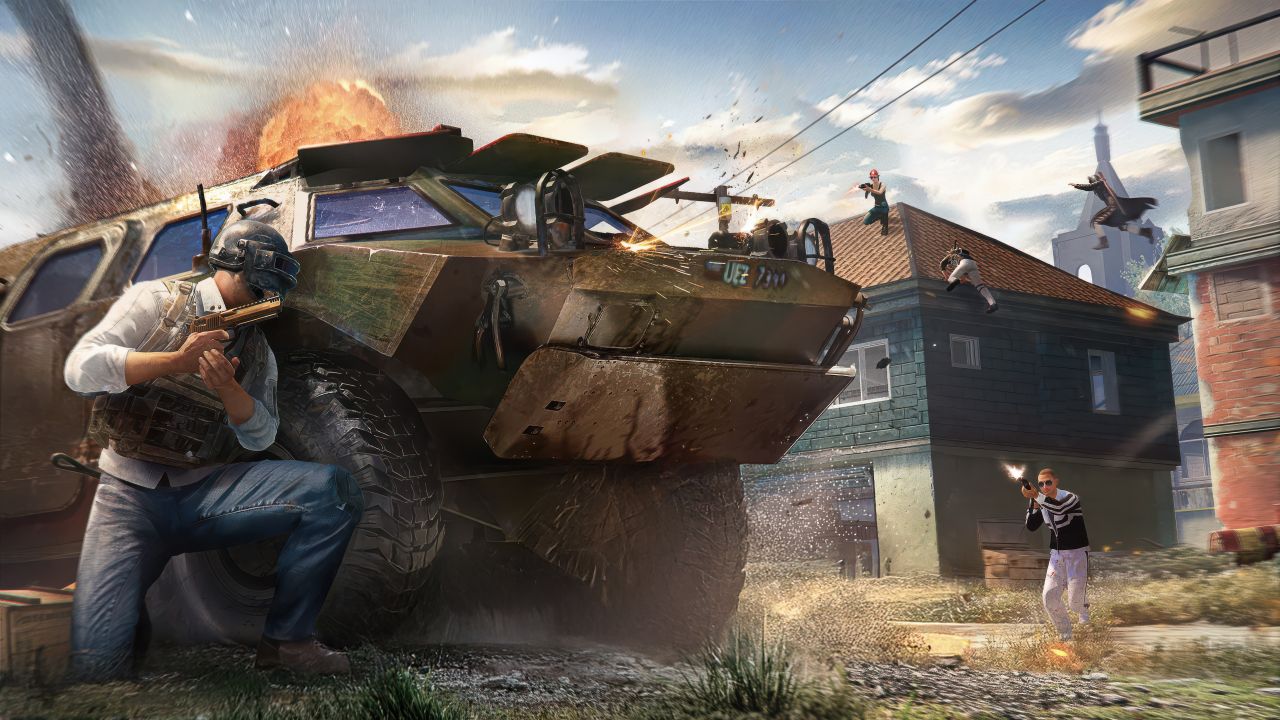
Take PUBG Mobile's Ramadan events as a standout. Instead of generic updates, the team wove in desert bazaars, community feasts for Eid, and subtle blessings that honored fasting and togetherness. It wasn't tokenism—it boosted engagement in key regions because it respected the rhythm of players' lives. Similar thoughtful moves in Southeast Asia, like adapting folklore-inspired events or dialing back elements that clash with local norms, show how culturalization through live ops can turn potential pitfalls into loyalty builders.
For RPGs especially, the stakes feel higher. Players sink hundreds of hours into stories; if the translation loses the original's wit, emotional beats, or world-building flavor, immersion crumbles. Best practices now lean hard on early cultural consultants—native speakers who game—to flag issues before strings even hit the engine. Combine that with PEMT's speed, and teams can iterate faster, test regionally, and launch closer to simultaneous global drops.
Looking ahead, 2026–2028 feels like the real tipping point. Models are getting sharper at context, slang, and genre quirks, cutting down heavy edits. But the human layer isn't going anywhere—it's what keeps the heart in the game. The most successful pipelines blend ruthless efficiency with stubborn attention to what makes a title unforgettable.
When projects demand that balance—blending cutting-edge tools with genuine cultural depth—experienced partners stand out. Artlangs Translation brings more than two decades of focused language work, handling everything from game localization and video adaptation to short drama subtitling, multilingual dubbing for shorts and audiobooks, plus data annotation and transcription. Supporting over 230 languages through a network of 20,000+ certified translators in enduring partnerships, they've built a reputation on delivering work that doesn't just translate—it resonates, market by market. In an industry racing toward faster launches, that kind of reliability keeps the magic intact.