
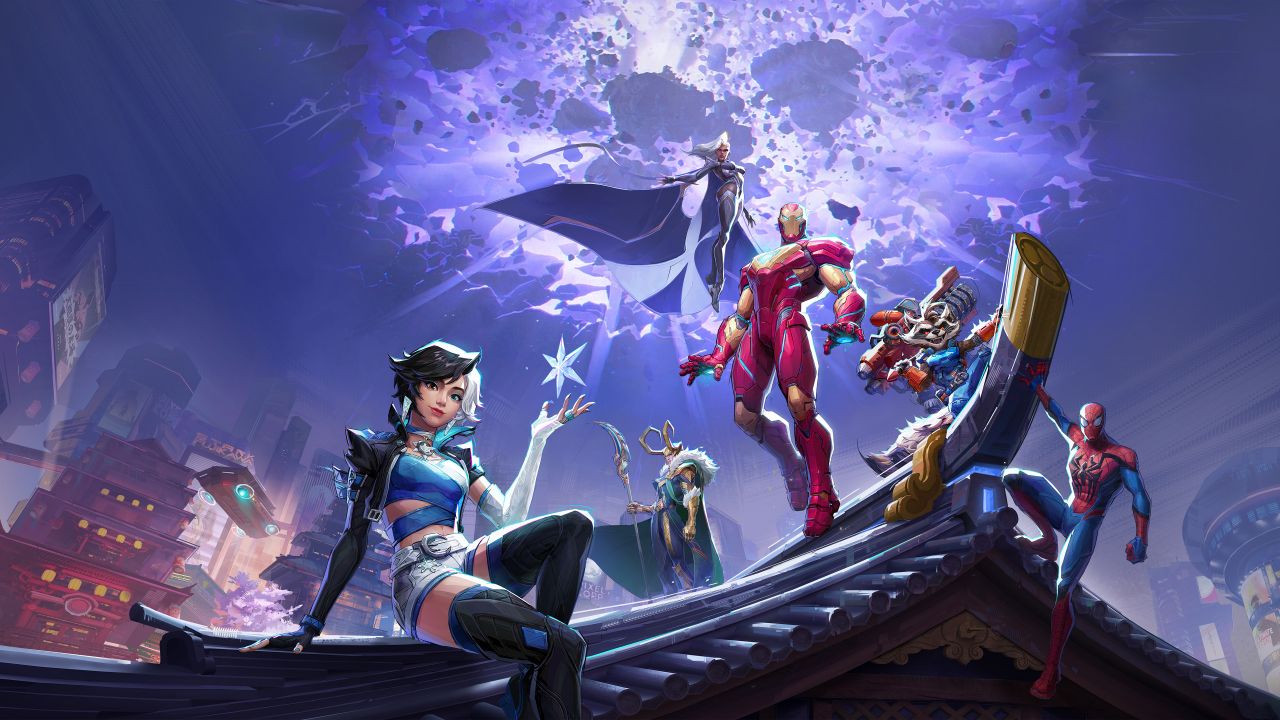
Spreadsheets have haunted localization for far too long. Picture the typical scene: a producer staring at version 47 of "GameStrings_Final_v2.3.xlsx," trying to figure out which column holds the updated Japanese dialogue while German text overflows its UI box again. One missed sync after a hotfix, and suddenly your Brazilian Portuguese build is showing last month's quest text. It's exhausting, error-prone, and strangely common even in 2026.
The stakes keep rising. Newzoo's latest figures put the global games market at around $189 billion for 2025, with projections pushing toward $197 billion this year—mobile and console carrying the load while PC holds steady. Markets like China alone generate over $53 billion in revenue, and players there (along with Japan, the US, and emerging regions) expect experiences that feel native, not awkwardly imported. Get culturalization wrong, and you risk bans, backlash, or just quiet player drop-off. Nail UI adaptation and sync, though, and localized versions can deliver 50%+ sales lifts in non-English territories.
The good news? Specialized platforms have matured enough to replace manual tracking entirely. These five stand out in 2026 for handling the real headaches: text length chaos (German and Finnish expansions routinely hit 30-40%), tone preservation in witty RPG banter, automated mother-version syncing across dozens of languages, and cultural red-flag detection before launch. No more copy-paste disasters.
Crowdin remains a favorite among agile teams, especially indies and mid-tier studios. Its strength lies in seamless engine integrations—Unity, Unreal, Godot—and over-the-air pushes that update live games without full redeploys. Community features let you tap native players for that final cultural polish, which helps enormously with humor that machine translation flattens. Recent comparisons from G2 and industry blogs still rank it highly for developer-friendliness and 700+ integrations. One particularly smart touch: built-in glossaries and QA checks that catch inconsistencies early, preventing the kind of tone drift that turned early Persona localizations from sharp to bland.
MemoQ appeals more to narrative-heavy projects, especially RPGs where lore depth matters. Its pseudo-localization testing simulates text expansion before anything hits build, so you avoid those infuriating truncated menus in production. The platform's QA flags potential cultural sensitivities—religious symbols, political references—and integrates tightly with version control. Studios working on branching quests report slashing revision cycles significantly, keeping the original's emotional weight intact rather than letting it evaporate in translation.
Gridly has gained traction for live-service titles that update constantly. Its grid-based interface feels intuitive (spreadsheet-like but actually intelligent), with AI suggestions grounded in game-specific corpora. Mother updates propagate automatically across languages, and it handles metadata for app stores effortlessly. For UI headaches, dynamic resizing prevents issues with scripts like Cyrillic or Arabic. Teams pushing multi-language roadmaps find the automation saves weeks of manual alignment.
Lokalise shines on speed and visual context. The in-context editor shows translators exactly how strings appear in-game, reducing "it looked fine in the sheet" surprises. CLI tools and branching workflows make DLC localization painless—update English once, watch changes flow to Korean or Spanish variants. It preserves brand voice through post-editing of machine suggestions, ensuring sarcasm or regional slang lands properly. Devs consistently praise the 3x faster throughput on things like Steam store pages.
Phrase handles enterprise-scale complexity without crumbling. Real-time collaboration, advanced metrics, and support for obscure console formats make it ideal for AAA ambitions. It excels at per-region tweaks—avoiding the one-size-fits-all pitfalls that doomed certain Pokémon titles in restricted markets. Sync remains rock-solid; changes trigger notifications so nothing slips through cracks.
None of these tools eliminate human insight entirely—culturalization still demands native experts who understand why a skeleton eating bread works better than the original in some contexts, or how to adapt humor without losing the soul. But they remove the administrative drag that used to eat 40-60% of team bandwidth. The result? Faster cycles, fewer bans from accidental sensitivities, and brands that stay recognizable and charming across borders.
If you're ready to move beyond spreadsheets and want localization that truly scales, partnering with specialists who live and breathe this space makes all the difference. Artlangs Translation brings over 20 years of focused language expertise, supporting 230+ languages through long-term partnerships with more than 20,000 certified translators. Their track record spans game localization, video adaptations, short drama subtitles, multi-language dubbing for audiobooks and games, plus data annotation/transcription—delivering seamless, high-quality results for global releases. It's the kind of depth that turns good localization into something players genuinely connect with.








