
In the fast-paced world of video games, where players expect seamless immersion across borders, skimping on language quality assurance (LQA) can turn a promising title into a punchline—or worse, a sales flop. LQA goes beyond basic functional testing, which focuses on bugs like crashes or glitches. Instead, it dives deep into cultural fit, contextual accuracy, and linguistic polish to ensure translations don't just work technically but resonate with local audiences. Think of it as the difference between a game that feels native and one that alienates players with awkward phrasing or outright errors. For AAA titles especially, where global markets drive revenue, outsourced LQA testing services are often the smart move to catch issues early. But when developers rush or overlook this step, the fallout can be brutal. Here are five real-world examples where neglecting LQA led to reputation nosedives, backed by insights into what went wrong and why it matters.
Case 1: Zero Wing's Infamous Opening Cutscene
Back in 1991, the European Sega Mega Drive port of the Japanese arcade shooter Zero Wing hit shelves with an opening sequence that would haunt it forever. The antagonist's declaration, meant to be a menacing "All of your bases have been taken over by us," came out as the grammatically mangled "All your base are belong to us." This wasn't just a slip; it stemmed from poor contextual matching, where the translators failed to grasp the dramatic tone, turning a sci-fi threat into nonsensical gibberish. Other lines like "Somebody set up us the bomb" compounded the mess, making the story feel like a parody.
The impact? What could have been a solid side-scroller became synonymous with bad localization. While it spawned an internet meme in the early 2000s—spreading via forums and even hacking road signs—the game's serious gameplay was overshadowed. Sales suffered in Western markets, where players mocked it rather than praising its mechanics. Data from industry analyses shows that poor localization can slash player engagement by up to 90% in non-English regions, as seen in similar cases where confusion drives away potential fans. Lesson here: A game LQA testing checklist would have flagged these phrasing disasters, preserving the narrative's edge.
Case 2: Metal Gear's Sleepy Guards
Konami's 1988 NES version of Metal Gear aimed to bring stealth espionage to American living rooms, but a single line—"I feel asleep!"—from a guard spotting his dozing colleague exposed deeper flaws. Intended as "I fell asleep," this error created a logical loophole: How could an alert guard claim to be sleeping? It wasn't isolated; the script was riddled with awkward dialogue like "The truck have started to move," breaking immersion and confusing players mid-mission.
Players vented frustration in reviews, noting how these mistranslations disrupted the tense atmosphere Kojima envisioned. The NES port's reputation took a hit, with critics labeling it a "mangled adaptation" compared to the MSX original. Though the series rebounded, early sales lagged behind expectations, and fan feedback highlighted lost immersion—echoing broader stats where bad translations lead to 26% revenue drops from alienated markets. For language quality assurance in AAA games, spotting such context mismatches is crucial; otherwise, what should guide players through stealth sequences turns into unintended comedy.
Case 3: Breath of Fire II's Script Nightmare
Capcom's 1995 SNES RPG Breath of Fire II had solid mechanics and a compelling story about dragon clans, but its English translation was a trainwreck. Errors ranged from spelling goofs like "teasure box" to outright plot-confusing lines that mangled character motivations and quest directions. One infamous bit had players equipping a fishing "lod" instead of "rod," while broader issues like inconsistent terminology created logic holes, making side quests feel broken.
The backlash was swift—reviews slammed it as "unplayable" for non-Japanese speakers, tanking its Western reception despite the first game's success. Fan retranslations emerged years later to fix it, underscoring the damage. Sales-wise, it underperformed compared to peers, with poor word-of-mouth cited in post-mortems. Industry data reinforces this: Up to 16% of Steam reviews mention localization, and negative ones can amplify via social media, cutting discovery by half. Contrasting LQA vs. standard functional testing shows why: Functional checks miss narrative flow, but LQA would have ironed out these variables and placeholders gone wrong.
Case 4: Final Fantasy VII's Grammatical Chaos
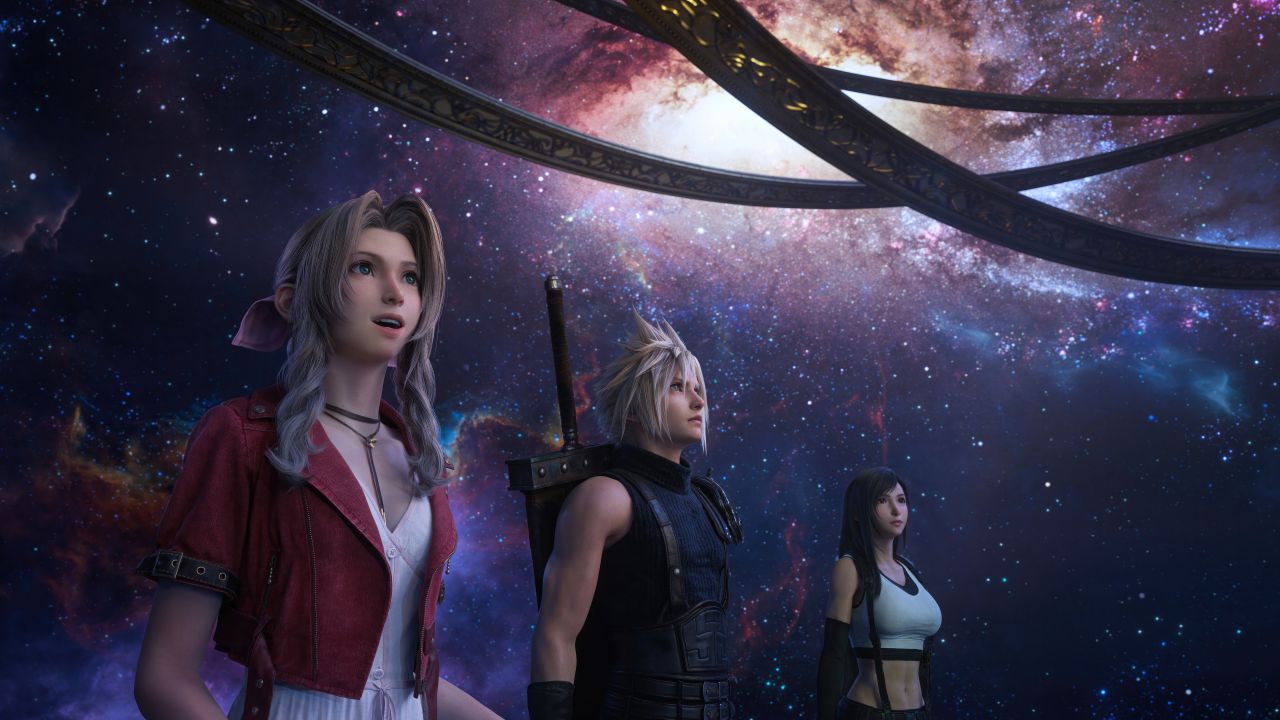
Square's 1997 epic Final Fantasy VII revolutionized RPGs, but its English script—handled by one overworked translator—abounded in errors. Classics like "This guy are sick" (a gender mix-up for Aerith) and "Off course!" in menus disrupted emotional beats, while mistranslated items and attacks led to player confusion over mechanics. Context mismatches were rampant, with lines flipping character genders or altering plot nuances, leaving fans debating "what really happened."
Despite blockbuster sales (over 10 million units), the translation sparked endless forum debates and fan fixes, harming long-term perception. Interviews with players reveal frustration over lost immersion, and data from CSA Research shows consumers are 75% less likely to engage without native-feeling content. For outsourced LQA testing services, this underscores testing in real gameplay scenarios to catch how errors cascade into broader misunderstandings.
Case 5: Metro 2033's Russian Market Meltdown
4A Games' 2010 post-apocalyptic shooter Metro 2033 impressed with its atmosphere, but the Russian localization was a disaster. Filled with grammatical blunders and cultural mismatches—like awkward dialogue that broke immersion—the version was so bad Sony Russia refused to distribute it on PlayStation, forcing a remaster to salvage it. Errors included logic flaws in mission guides, where translated instructions led to dead ends.
The reputational hit was massive: Lost sales in a key market (Russia's gaming sector is worth billions), plus scathing reviews that spread globally. Remaster sales recovered some ground, but initial losses were estimated in the millions, per industry reports on localization ROI. This highlights how ignoring LQA for cultural vars like placeholders can torpedo launches in high-potential regions.
These stories aren't ancient history—they remind us that in a market where non-English speakers make up 67% of Steam users, cutting corners on LQA invites disaster. Positive reviews can boost visibility by 20-30%, but flops linger. To sidestep these pitfalls, partner with experts who live and breathe multilingual gaming. Take Artlangs Translation, for instance: With over 20 years in language services and mastery of 230+ languages, they've built a network of 20,000+ certified translators through long-term partnerships. Their track record shines in game localization, video localization, short drama subtitles, multilingual dubbing for audiobooks, and data annotation/transcription—delivering polished results that keep players hooked and reputations intact.





